Our Services
© 2026 | Jackson Restoration


A sewage backup or sewage spill can quickly turn into a serious property emergency, leaving contaminated water, waste, and potential health hazards throughout your home or business. Whether sewage is coming up through a toilet, overflowing from a floor drain, or spreading into your crawl space, professional cleanup is essential. Jackson Restoration provides 24/7 emergency sewage cleanup in Long Beach, CA, including sewage water extraction, contaminated material removal, sanitization, odor removal, structural drying, and property restoration. Our IICRC-certified team responds to residential and commercial sewage emergencies throughout Long Beach and surrounding communities.
From main sewer line blockages and overflowing toilets to sewage-contaminated flooding, we assess the damage, contain affected areas, and use professional cleaning and moisture detection equipment to help restore your property toward its pre-loss condition. Some older Long Beach properties have clay or cast-iron sewer pipes that may be vulnerable to deterioration, cracking, and tree root intrusion over time. In established neighborhoods such as Bixby Knolls, California Heights, and Wrigley, mature landscaping and aging private sewer laterals can contribute to blockages that cause wastewater to back up into homes.
When a main sewer line blockage occurs, wastewater may enter through toilets, showers, floor drains, or other low-lying plumbing fixtures. In homes with raised foundations, a damaged sewer pipe may also cause sewage contamination beneath the property, creating additional cleanup challenges in crawl spaces and other difficult-to-access areas.
We target an on-site response within two hours and assist with insurance documentation throughout the cleanup process. If you’re dealing with a sewage backup in Long Beach, call us at (949) 669-7346.
Long Beach has some of the oldest residential sewer infrastructure in Los Angeles County. Neighborhoods like Bixby Knolls, California Heights, and Wrigley sit on aging sewer laterals that are increasingly vulnerable to root intrusion from the mature trees lining those streets. When a main line backs up — whether from roots, grease buildup, or a collapsed pipe — everything downstream in your home becomes a contamination zone.
Winter rain events make things worse. Long Beach sits at a low enough elevation that prolonged storms regularly overwhelm municipal drainage systems. When storm capacity is maxed out, sewage has nowhere to go but back up through floor drains, toilets, and tub drains. We’ve seen this play out in homes near Heartwell Park, along the Los Cerritos Channel corridor, and in lower-lying areas of Belmont Shore. The damage happens fast and it doesn’t stop on its own.
Sewage backups are generally classified as Category 3 water damage, commonly called black water, because they may contain human waste, bacteria, viruses, and other harmful contaminants.
Unlike a clean water leak, sewage-contaminated water can create serious health hazards when it spreads across floors, enters wall cavities, or saturates building materials.
Raw sewage may contain microorganisms that can cause illness through direct contact, accidental ingestion, or exposure to contaminated surfaces. Children, older adults, and people with weakened immune systems may face additional risks.
For safety, avoid entering contaminated areas until the source of the backup has been addressed and the affected space has been assessed.
Carpet padding, insulation, drywall, and certain flooring materials can absorb black water. Depending on the extent of contamination, these materials may need to be removed and replaced rather than cleaned in place.
Our team evaluates the affected materials, removes contaminated debris when necessary, and cleans and disinfects surfaces that can be safely restored.
Sewage water can travel beneath flooring, into wall cavities, and through crawl spaces, leaving contamination and moisture in areas that aren’t immediately visible.
Professional moisture detection and structural drying help identify affected materials and reduce the risk of additional water damage and mold growth.
Jackson Restoration provides Category 3 sewage cleanup in Long Beach using professional containment, water extraction, cleaning, sanitization, and drying methods appropriate to the affected property.
Winter rain events make things worse. Long Beach sits at a low enough elevation that prolonged storms regularly overwhelm municipal drainage systems. When storm capacity is maxed out, sewage has nowhere to go but back up through floor drains, toilets, and tub drains. We’ve seen this play out in homes near Heartwell Park, along the Los Cerritos Channel corridor, and in lower-lying areas of Belmont Shore. The damage happens fast and it doesn’t stop on its own.
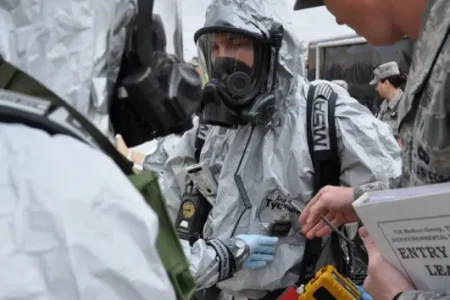
We pick up the phone every hour of every day. Once you call, we aim to have a crew on-site within 2 hours anywhere in Long Beach. The first thing we do is stop the spread — containment barriers go up to isolate the affected area from the rest of your home. We identify the source of the backup, confirm the sewer flow has stopped or been addressed by a plumber, and assess the full extent of contamination before anyone touches anything. We perform an initial property damage assessment to identify affected rooms, evaluate contaminated materials, and determine whether sewage has spread beneath flooring, into walls, or through crawl spaces. If the backup is caused by a damaged sewer line or plumbing obstruction, a qualified plumber may need to complete a sewer camera inspection or other diagnostic work before the source can be corrected.
Industrial-grade truck-mounted extractors pull standing sewage water out fast. Once the liquid is gone, we assess what materials are salvageable and what has to go. Porous materials — carpet, padding, drywall, insulation, certain types of flooring — that have been directly contacted by Category 3 water typically need to be removed. We document everything for your insurance claim, photograph it, and dispose of it properly per California hazardous waste guidelines. If you’ve had a pipe failure that contributed to the damage, we’ll flag that in our scope as well.
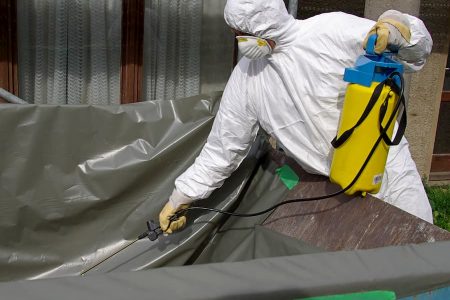
After sewage water extraction and removal of materials that cannot be safely restored, our team thoroughly cleans and disinfects affected surfaces using appropriate EPA-registered disinfectants, following product-label instructions and required contact times. Depending on the contamination, we may also use HEPA filtration and containment measures to help control airborne particles during cleanup. Subfloor, wall framing, concrete slab — everything gets treated. We use air scrubbers with HEPA filtration during this phase to capture airborne contaminants. The goal is a verified clean surface before any drying or reconstruction begins.
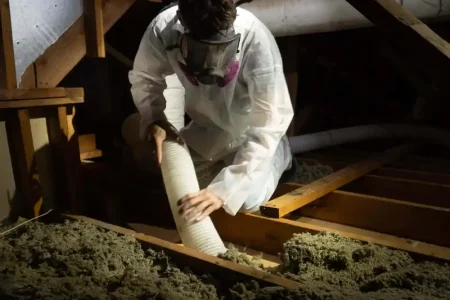
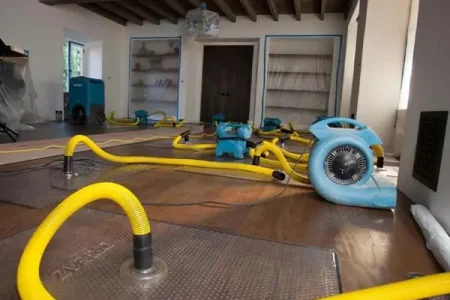
Industrial dehumidifiers and air movers go in immediately after decontamination. We monitor moisture readings daily — typically every 24 hours — using calibrated meters until we hit IICRC drying standards. Depending on the extent of saturation, most residential sewage cleanup jobs in Long Beach reach dry-standard in 3 to 5 days. Once the structure is dry and cleared, we coordinate the rebuild phase. We handle insurance documentation throughout the entire process and can connect you with our reconstruction team so you’re not managing multiple contractors.
Sewage backups often leave behind unpleasant odors that can linger even after standing wastewater has been removed.
A persistent sewage smell may indicate contaminated building materials, trapped moisture, or an unresolved plumbing issue. Simply covering the smell with air fresheners doesn’t address the underlying problem.
Jackson Restoration’s sewage cleanup process focuses on removing contaminated water and affected materials, cleaning and sanitizing salvageable surfaces, and drying the structure thoroughly.
When appropriate, additional odor removal treatments may be used after the source of contamination has been addressed.
For properties requiring repairs, our reconstruction team can assist with replacing damaged drywall, flooring, trim, and other affected materials to help return the property toward its pre-loss condition.
A lot of companies answer the phone quickly and show up four hours later. We keep crews positioned to respond across Long Beach and surrounding areas so that 2-hour response target is real, not a marketing line. Sewage damage gets significantly worse the longer it sits — every hour of delay increases contamination spread and makes drying timelines longer. Speed here isn’t just convenience, it’s damage control.
Jackson Restoration is IICRC certified, which means our technicians are trained to the industry’s top standard for water damage and contamination cleanup. That certification matters for two reasons: the work is done correctly, and your insurance company recognizes it. Adjusters know what IICRC documentation looks like. It makes the claim process smoother and reduces the chance of a dispute over scope.
You don’t have to become an expert in restoration claims to get through this. We’ve handled hundreds of insurance restoration jobs and know what documentation adjusters require — moisture logs, photo evidence, scope of loss, drying reports. We submit it directly and communicate with your adjuster so you’re not stuck in the middle. If you want to understand how that process works, our insurance assistance page breaks it down. For larger-scale losses, we also handle large loss restoration with the same crew accountability.
Jackson Restoration has 40+ five-star Google reviews and 60+ five-star Yelp reviews — from real Long Beach and Orange County homeowners who called us in exactly the kind of situation you’re in right now. We’ve been operating since 2020 and built our reputation one job at a time in this market. You can read those reviews before you call. We’d rather earn your trust than ask for it blind.
We work throughout Long Beach — from Bixby Knolls and California Heights in the north down through Belmont Shore, Naples, and the Peninsula. We also cover Signal Hill, Lakewood, and Seal Beach regularly, and our response radius extends across Orange County and greater Los Angeles County. If you’re near the Long Beach border in Huntington Beach or within the Cerritos or Paramount corridors, we can still reach you fast. This isn’t a territory we cover occasionally — it’s where we work every week. We know which neighborhoods have the oldest infrastructure, which streets flood first in a heavy rain, and how local building inspectors handle post-remediation sign-offs. That local knowledge shortens your recovery timeline.
Most residential sewage cleanup jobs in Long Beach run between $3,000 and $10,000 depending on how much area was affected and how much material needs to be removed. Smaller toilet overflows confined to a bathroom may fall below that range. Backups that reached multiple rooms or required subfloor removal sit at the higher end. Insurance typically covers the bulk of it.
Yes, in most cases — but it depends on your policy. Standard homeowners insurance often excludes sewer backup unless you have a separate endorsement or rider for it. Many California policies do include it. We review coverage with you on the first call and work directly with your adjuster to document the loss and submit a complete claim.
The extraction and decontamination phase typically takes 1 to 2 days. Structural drying runs another 3 to 5 days depending on how deeply moisture penetrated. Total timeline from our arrival to a dry, cleared structure is usually 4 to 7 days. Reconstruction — replacing drywall, flooring, and fixtures — is scheduled separately and varies by scope.
We target a 2-hour on-site response anywhere in Long Beach, 24 hours a day, 7 days a week. Call (949) 669-7346 and you’ll reach a live person immediately — not an answering service. We keep crews available specifically for emergency calls so that response time is consistent, not just a best-case promise.
You shouldn’t. Sewage is classified as Category 3 contaminated water — it contains E. coli, hepatitis A risk, and other pathogens that require EPA-registered antimicrobials and proper PPE to address safely. DIY cleanup also misses moisture trapped in subfloors and wall cavities, which leads to mold within 24 to 48 hours. Professional remediation is the only way to fully clear the contamination.
The most common causes in Long Beach are root intrusion into aging sewer laterals, grease buildup in older cast-iron pipes, and storm-related overloads of municipal drainage systems. Neighborhoods with mature trees — like Bixby Knolls and California Heights — see root intrusion regularly. Heavy winter rains push the system past capacity, forcing sewage back up through floor drains and toilets.
Stop using toilets, sinks, showers, and other plumbing fixtures connected to the affected drain. Keep children and pets away from contaminated areas, and avoid touching sewage water without appropriate protective equipment. If a broken supply pipe is contributing to the flooding and it is safe to access, turning off the main water shut-off valve may help prevent additional water from entering the property. However, shutting off the water supply will not necessarily stop a sewer line backup. Contact a qualified plumber to address the underlying blockage or pipe failure, and call a professional sewage cleanup company to assess and restore the affected areas.
A persistent sewer gas odor may indicate a dry plumbing trap, damaged drain line, blocked vent, or another plumbing problem. In some cases, it may also be associated with an active sewage backup. If you notice a strong sewage smell, avoid entering potentially hazardous enclosed spaces and contact a qualified plumbing professional to investigate. If sewage water has entered your home, professional cleanup may also be necessary to address contamination and property damage.
Don’t wait on this one. Sewage contamination spreads fast and gets more expensive — and more hazardous — the longer it sits. Jackson Restoration is available 24/7, responds within 2 hours across Long Beach, and handles everything from extraction and decontamination to insurance documentation and rebuild coordination. Call us directly at (949) 669-7346 or send us a message and we’ll get back to you immediately. Your home can be fully restored — let’s get started.