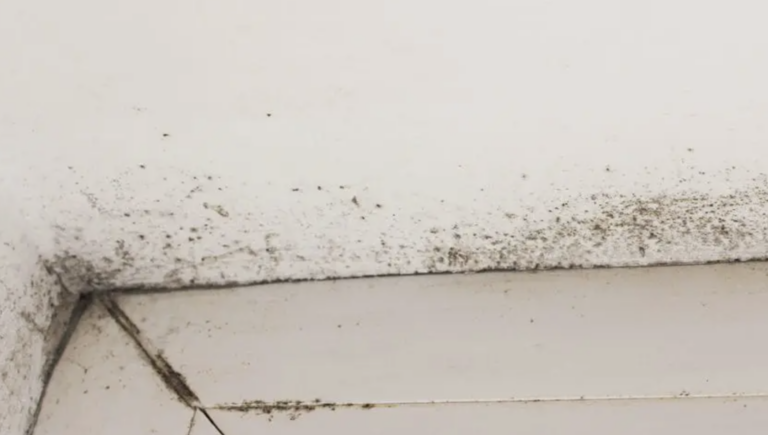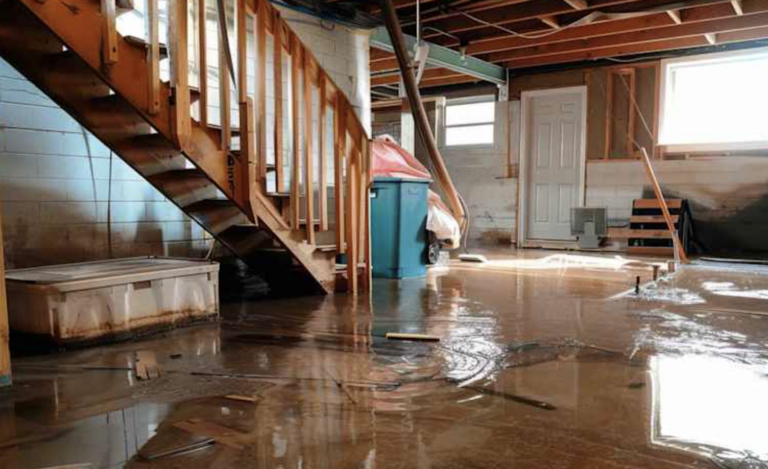
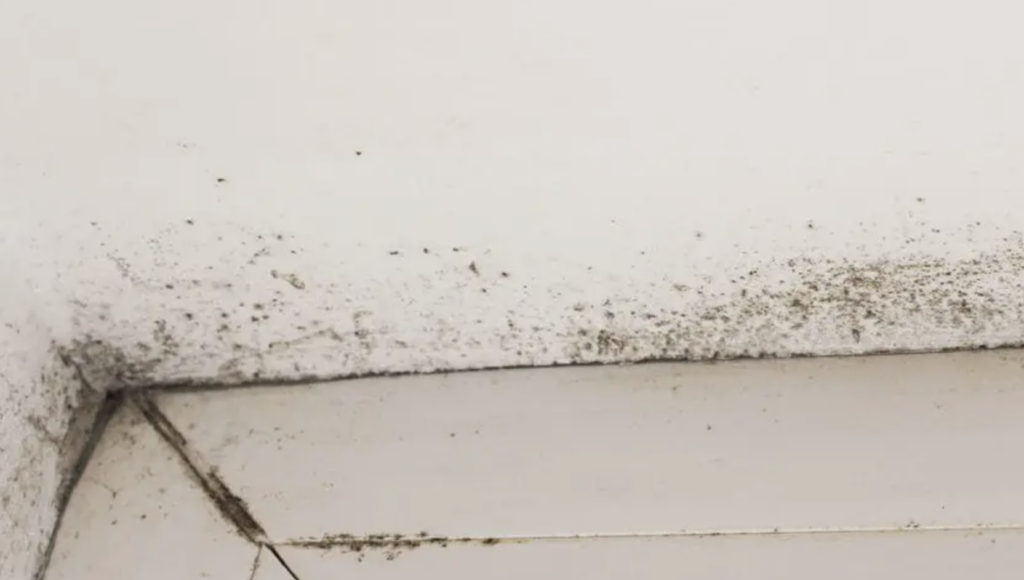
Yes—it is entirely possible to smell mold and find nothing visible, and in Long Beach homes, it is one of the most common mold scenarios we encounter. Mold growing inside wall cavities, behind drywall, under flooring, in attic spaces, or within HVAC systems produces spores and volatile organic compounds (MVOCs) that create a musty odor long before any visible growth appears on surfaces you can see. If your Long Beach home smells damp or musty but you can’t find the source, that smell is almost certainly evidence of mold somewhere you haven’t looked yet.
Why Does My House Smell Damp Even Though There’s No Visible Damp?
The musty, earthy odor that signals mold comes from microbial volatile organic compounds—gases released by mold colonies as part of their metabolic process. These gases travel through wall cavities, ductwork, and gaps in building assemblies, entering living spaces even when the mold itself is completely sealed off from view. In Long Beach’s older housing stock—which includes many homes built in the 1920s through 1960s with original plaster walls, wood subfloors, and minimal vapor barriers—there are abundant pathways for mold odor to migrate from hidden spaces into the living environment.
Common sources in Long Beach homes where mold grows out of sight include:
- Behind bathroom tile where grout has cracked or caulk has separated, allowing shower moisture to reach the substrate
- Inside wall cavities adjacent to plumbing that has experienced slow leaks
- Under flooring where a water intrusion event was cleaned up at the surface but not fully dried beneath
- In crawl spaces and subfloor assemblies, particularly in homes near the coast where ground moisture is persistent
- In HVAC air handler units and ductwork where condensation accumulates
- In attic spaces where roof leaks or inadequate ventilation have created chronic moisture
What Could Be Causing a Moldy Smell in My Bedroom?
A musty smell concentrated in a bedroom points to a moisture source associated with that space. In Long Beach homes, bedroom mold odor is often traced to one of a few recurring causes: an exterior wall that allows marine layer moisture to penetrate (particularly on west-facing walls that face the ocean), a bathroom or laundry room on the other side of a shared wall, a window air conditioning unit that accumulates condensation, or an HVAC vent that distributes mold spores from a contaminated system.
Bedroom mold is also sometimes found under or behind bedroom furniture that blocks airflow against an exterior wall—a condition where reduced air circulation creates a cooler, damper micro-environment at the wall surface that supports mold growth behind the furniture even when the rest of the wall is fine.
Can My House Smell Musty Without Mold?
Yes, in theory—but the practical answer for Long Beach homeowners is that a persistent musty odor almost always has a biological source. Elevated humidity alone can cause a “stuffy” smell, but a genuine musty odor (earthy, fungal, reminiscent of a damp basement) is typically produced by mold or mildew. Mildew is a surface mold that grows on damp organic surfaces and can often be cleaned relatively easily; structural mold growing behind surfaces is a more serious concern. If the smell is persistent rather than occasional, and particularly if it is stronger in certain rooms or areas, mold is the most likely explanation.
What Can Be Mistaken for Mold Smell?
A few other conditions produce odors that homeowners sometimes describe as musty:
- Sewer gas: A dry P-trap in a floor drain, unused sink, or basement fixture can allow sewer gas (which contains hydrogen sulfide) to enter the home. The smell is more sulfurous than musty but can be confused if the homeowner isn’t sure what mold smells like.
- Rodent infestation: Rodents in wall cavities or attic spaces produce ammonia-based odors that can be mistaken for mold smell in some circumstances.
- Old insulation: Certain types of vintage insulation materials, particularly cellulose insulation made from recycled paper in older Long Beach homes, can produce a musty odor when humid without active mold being present.
- Plumbing biofilm: Slow-moving or infrequently used drain lines can develop a biofilm layer that produces a musty or sewer-adjacent odor at fixtures.
None of these possibilities eliminates mold as the cause—they should be considered alongside a mold inspection rather than instead of one.
What Causes a Musty Smell in a House?
Fundamentally, musty odor in a home is caused by moisture that has been present long enough for microbial growth to establish. The moisture source can be dramatic (a flood, a burst pipe) or subtle (chronic condensation in an HVAC system, a slow drip behind a wall, ground moisture wicking up through an unconditioned crawl space). In Long Beach, where the marine layer brings elevated coastal humidity and many homes have crawl spaces rather than slabs, chronic low-level moisture is an extremely common source of musty odor that homeowners assume is “just how the house smells.”
Does a Musty Smell Automatically Mean Mold?
Not automatically—but it means there is enough moisture in your home to have created conditions where mold could grow, and in most cases that moisture has in fact produced mold somewhere. The appropriate response to a persistent musty odor that you cannot trace to an obvious source is a professional mold inspection with air sampling, not waiting to see if it goes away. Mold does not go away on its own; it grows as long as moisture is present.
Is It Safe to Sleep in a Room That Smells Musty?
Prolonged exposure to mold spores and MVOCs in a room where you spend 7 to 8 hours per night is a legitimate health concern, particularly for individuals with asthma, allergies, or compromised immune systems. Short-term exposure—one night in a musty room while traveling, for example—is unlikely to cause lasting harm for healthy adults. But sleeping night after night in a room with an unresolved musty smell means consistent exposure to whatever is producing that odor. If the room consistently smells musty and you’ve ruled out a simple fix like cleaning a drain or airing out stored items, have the room assessed before continuing to use it as a sleeping space.
Frequently Asked Questions
Why does my Long Beach home smell musty after it rains?
A musty smell that appears or intensifies after rain is a strong indicator of moisture intrusion from outside. In Long Beach homes, rain-triggered musty smell is often traced to water entering through foundation cracks, around window frames, through the roof, or via a crawl space vent that allows wet exterior air to enter below the floor. The rain event raises moisture levels in areas where mold is already present, activating increased off-gassing. This pattern—smell gets worse when it rains or when the marine layer is heavy—is a useful diagnostic clue for a professional inspection.
What smells worse, mildew or mold?
Both produce musty odors, but structural mold (the kind growing inside wall assemblies and subfloor cavities) typically produces a stronger, more pervasive smell than surface mildew. Mildew on tile grout or a shower curtain produces a localized musty smell that is usually obvious in a specific spot. Mold growing behind drywall or in a crawl space produces a diffuse odor that permeates the space because the mold colony is larger and more established. If the smell is throughout a room rather than concentrated at one spot, the source is more likely structural mold than surface mildew.
How do professionals find mold they can’t see?
Professional mold inspectors use a combination of methods: moisture meters to identify elevated moisture content in walls and floors where mold may be growing; thermal imaging cameras to detect temperature differentials that indicate moisture behind surfaces; borescope cameras inserted through small holes to visually inspect wall cavities; and air sampling to measure airborne mold spore counts and identify species present. Air sampling is particularly useful when visible mold is absent but a musty smell persists—elevated spore counts confirm that mold is present and active somewhere in the space even when it cannot be seen directly.
If I can smell mold but not see it, is it covered by homeowners insurance?
Whether mold is covered by your homeowners insurance depends on what caused it. Mold resulting from a sudden, covered water event (burst pipe, appliance overflow) is generally covered as part of that claim. Mold resulting from gradual moisture intrusion, poor maintenance, or conditions that existed before the policy period is typically excluded. California homeowners insurance policies vary significantly in their mold coverage provisions. If you discover mold—visible or confirmed through inspection—contact your insurer promptly to understand your options before beginning remediation.
Musty Smell in Your Long Beach Home? Let’s Find the Source
Jackson Restoration provides professional mold inspections and IICRC-compliant mold remediation throughout Long Beach and the surrounding South Bay. If your home smells musty but you can’t find the source, our team can locate the mold, identify the moisture source driving it, and remediate both. Visit our mold remediation page or call us to schedule an assessment.