Under California law, landlords are required to disclose known mold conditions to prospective tenants, maintain habitability by addressing mold that poses a health risk, and remediate mold caused by building defects – while tenants are responsible for mold caused by their own negligence, such as inadequate ventilation or unreported leaks, and both parties benefit from acting quickly when mold is discovered.
California has some of the strongest tenant protections around mold in the country, but the law is specific enough that most landlords and tenants in Long Beach, Los Angeles, and the surrounding area don’t fully understand it until a dispute arises. This overview covers what each party is legally required to do, what rights tenants have when a landlord doesn’t comply, and why getting professional assessment and remediation on the record protects everyone.
California’s Core Mold Law: Health & Safety Code §17920.3
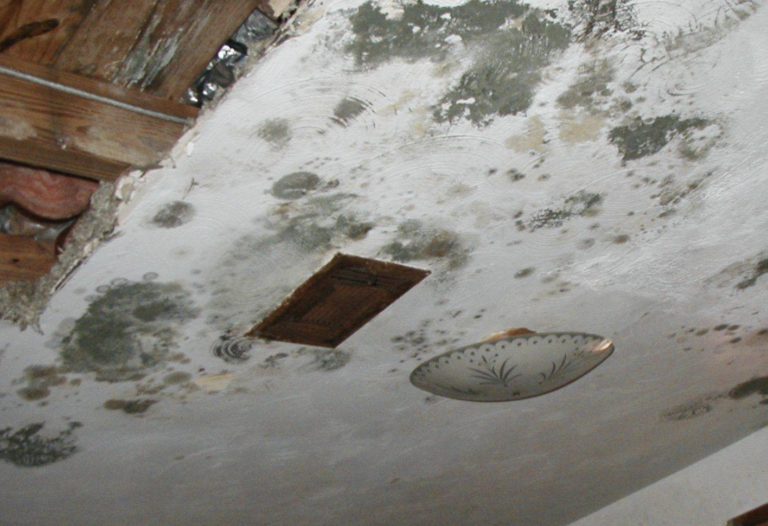
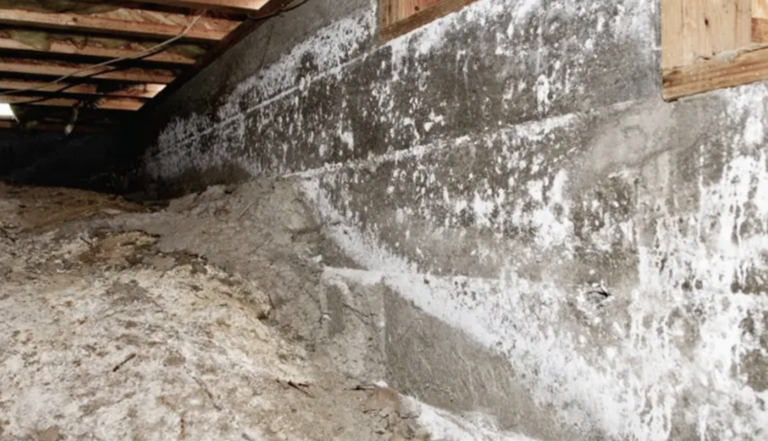
California Health & Safety Code §17920.3(a)(13) explicitly classifies visible mold growth as a substandard condition – meaning a property with visible mold that affects interior surfaces is legally considered uninhabitable. This provision, strengthened by Senate Bill 655 signed into law in 2015, applies to all residential rental properties in California.
What this means practically:
- A landlord who knows about visible mold in a rental unit is legally required to remediate it
- A landlord who rents a unit with visible mold without disclosing it is potentially liable
- A tenant who can document that a landlord knew about mold and failed to act has a legitimate habitability claim
Mold Disclosure Requirements for Landlords
California imposes two types of mold-related disclosure obligations on landlords:
Pre-Tenancy Disclosure
Under California Health & Safety Code §26147, landlords must provide prospective tenants with written disclosure of any known mold conditions in the unit or common areas before the tenancy begins. This disclosure must be provided using a form prescribed by the California Department of Public Health. Failure to disclose known mold before a tenancy begins exposes the landlord to liability for any resulting health impacts or property damage.
Transfer Disclosure Statement (Sales)
When a property is sold, California Civil Code §1102.6 requires sellers to disclose known mold conditions as part of the Transfer Disclosure Statement. This applies even if the property is tenant-occupied at the time of sale.
What Mold Situations Landlords Are Required to Fix
Under California’s habitability standard (Civil Code §1941), landlords must address mold that:
- Is visible and growing on interior surfaces
- Results from a building defect – a plumbing leak, roof failure, inadequate waterproofing, or poor ventilation built into the structure
- Has been reported by the tenant and documented
The timeline matters. California courts have found that a landlord who receives written notice of a mold condition and fails to begin remediation within a reasonable time – typically interpreted as 30 days for non-emergency conditions, sooner for conditions posing immediate health risk – is in breach of the habitability obligation.
What “Remediation” Means Under California Law
California does not define a single prescribed remediation standard, but the Department of Public Health’s guidance references IICRC S520 (Standard and Reference Guide for Professional Mold Remediation) as the appropriate professional standard. This means a landlord who paints over mold or applies bleach without addressing the underlying moisture source has not met the remediation obligation – the law requires that the cause be fixed, not just the visible symptom.
What Mold Scenarios Tenants Are Responsible For
Tenant responsibility for mold is also clearly defined in California law. Tenants can be held responsible for mold conditions caused by:
- Inadequate ventilation – not using bathroom exhaust fans, keeping windows closed in humid conditions, blocking vents
- Failure to report water intrusion promptly – a tenant who notices a leak and doesn’t report it to the landlord loses the benefit of the landlord’s obligation to act
- Negligent behavior – introducing moisture through activities that a reasonable tenant would know lead to mold (overwatering indoor plants near walls, leaving wet items on flooring long-term)
In practice, the most common dispute arises when the mold source is ambiguous – is it a building defect or tenant behavior? Professional mold assessment that identifies the moisture source is the most efficient way to resolve that question before it becomes a legal dispute.
Tenant Remedies When a Landlord Won’t Act
California law provides tenants with several legal tools when a landlord fails to remediate a known mold condition:
Repair and Deduct (Civil Code §1942)
If a landlord fails to address a habitability defect after reasonable notice, a California tenant may arrange and pay for repairs themselves and deduct the cost from rent – up to one month’s rent per repair. This remedy is available twice in any 12-month period and requires that the landlord had reasonable time to make the repair after notice.
Rent Withholding
In more serious habitability cases, California tenants may be permitted to withhold rent until conditions are remediated. This is a legally risky strategy without proper documentation and ideally legal counsel, but it is available as a remedy when habitability is genuinely compromised.
Civil Action
A tenant who suffers documented health impacts, property damage, or additional living expenses due to a landlord’s failure to remediate mold may have a civil claim. California courts have awarded damages in mold habitability cases, particularly when the landlord had prior written notice and failed to act.
Local Code Enforcement
Cities, including Long Beach and Los Angeles, maintain code enforcement programs that respond to habitability complaints. A code enforcement inspection that documents visible mold creates an official record of the condition and compels the landlord to act on a defined timeline.
For Landlords: Why Proactive Mold Remediation Is the Right Strategy
From a practical standpoint, the cost of addressing mold promptly is almost always less than the cost of a habitability dispute. A professional mold remediation that addresses both the mold and the underlying moisture source typically costs $1,500 to $5,000 for a standard residential unit. The cost of a habitability lawsuit, potential rent withholding, and code enforcement action can easily exceed that by multiples – and courts are generally unsympathetic to landlords who had notice of a mold condition and delayed.
The strongest protection for a California landlord is a documented response: professional assessment when mold is reported, remediation that addresses the source (not just the surface), and written confirmation to the tenant that the work was completed. Keeping that paper trail current protects against any future claim that the landlord knew and failed to act.
For Tenants: How to Protect Yourself
- Report mold in writing. Text, email, or written letter – anything that creates a timestamped record. Verbal reports are hard to prove.
- Document with photos. Date-stamped photos of visible mold, water stains, or moisture are key evidence in any habitability dispute.
- Keep records of communication. Every message to and from your landlord about the condition is potentially relevant.
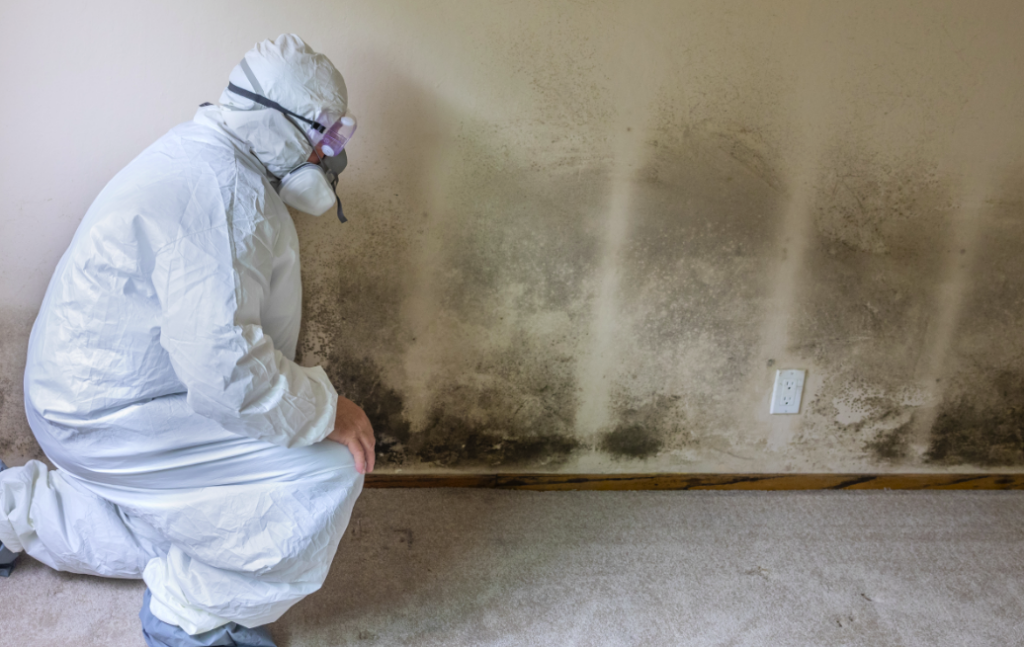
- Get a professional assessment. An independent mold assessment from a certified professional establishes what’s there, what caused it, and what remediation is required. This documentation supports your legal position if the landlord disputes the severity or source.
Jackson Restoration: Professional Mold Assessment for Long Beach and LA Rentals
Whether you’re a tenant documenting a mold condition for a habitability claim or a landlord responding to a tenant complaint and needing proper remediation on record, Jackson Restoration provides certified mold assessment and remediation services throughout Long Beach, Los Angeles County, and Orange County.
Our written assessment reports document the extent of mold, identify the moisture source, and outline the remediation scope in the format California’s legal standards require. We work with both residential tenants and property managers to resolve mold conditions quickly, professionally, and with the documentation that protects all parties.
Contact (949) 669-7346 or learn more about our mold remediation services – available 24/7 throughout Long Beach, Signal Hill, Carson, Lakewood, and greater LA.