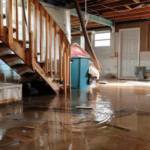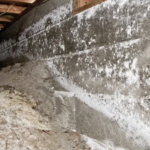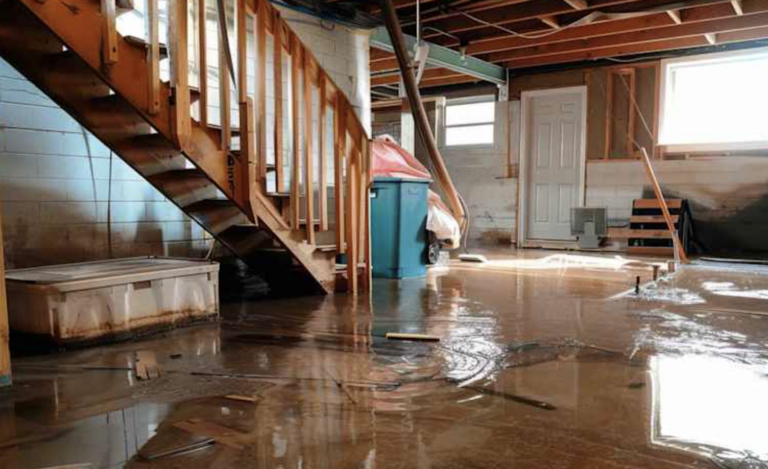
When water damage happens in a Long Beach home, most homeowners call whoever appears first in a search or whoever their insurance company recommends—without knowing what distinguishes a qualified restoration contractor from an unqualified one. IICRC certification, California contractor licensing, and insurance carrier relationships each mean something specific, and understanding what they do and don’t guarantee protects you from both poor workmanship and inflated invoices. Here is what to actually look for and what questions to ask before any work begins.
What IICRC Certification Means
The Institute of Inspection, Cleaning and Restoration Certification (IICRC) is the primary credentialing body for the restoration industry. IICRC certifications are earned by individual technicians through coursework and examinations, not by companies as a whole. When a restoration company advertises being “IICRC certified,” what they typically mean is that their technicians hold one or more IICRC credentials.
The most important IICRC credentials for water damage restoration work are:
- WRT (Water Damage Restoration Technician) — the foundational credential for water damage work, covering moisture identification, drying principles, and extraction
- ASD (Applied Structural Drying Technician) — a more advanced credential focused on psychrometrics and the science of drying building assemblies
- AMRT (Applied Microbial Remediation Technician) — the credential for mold and microbial remediation, required when mold is involved in the water damage
- CCT (Carpet Cleaning Technician) — relevant if flooring cleaning is part of the scope
What IICRC certification does: it establishes that the individual technician has been trained in industry-standard methods and has passed an examination on those methods. IICRC-certified restoration companies must follow the IICRC S500 Standard for Professional Water Damage Restoration, which specifies the processes, equipment, and documentation requirements for professional water damage work.
What IICRC certification does not do: it does not guarantee quality of work in any given job, does not mean every person on the crew holds a certification, and does not guarantee the company’s billing practices are accurate or appropriate. Ask specifically which certifications the lead technician on your job holds—not just whether the company is “IICRC certified” in the abstract.
What California Contractor Licensing Means
In California, restoration work that involves structural work—removing and replacing drywall, framing, subfloor, insulation, or any building component—requires a California contractor’s license issued by the Contractors State License Board (CSLB). Restoration companies that perform only extraction, drying, and content work without structural repairs may operate without a CSLB license, but most full-service restoration contractors hold one.
The most relevant license classifications for restoration work are:
- B (General Building Contractor) — covers general construction, framing, drywall, and restoration reconstruction
- C-20 (Warm-Air Heating, Ventilating, and Air-Conditioning) — relevant if HVAC repair or duct cleaning is involved
- C-36 (Plumbing) — required for any plumbing repair work associated with the water damage source
You can verify any California contractor’s license status at the CSLB website (cslb.ca.gov) by searching the contractor’s license number or business name. The verification shows whether the license is active, what classification it covers, and whether any complaints or disciplinary actions are on record. This takes less than two minutes and is worth doing for any contractor you’re seriously considering.
Unlicensed contractors who perform work requiring a license in California are subject to significant fines, and homeowners who knowingly hire unlicensed contractors may lose certain legal protections. Do not accept verbal assurances about licensing—look it up.
What Insurance Carrier Relationships Mean
Many restoration contractors advertise relationships with insurance carriers or appear on insurer “preferred vendor” or “program contractor” lists. These relationships have real implications that homeowners should understand before assuming they work in the homeowner’s favor.
Preferred vendor relationships typically involve the restoration contractor agreeing to use the insurer’s pricing schedules (usually Xactimate, the industry-standard estimating software) and in many cases accepting negotiated rates below standard billing. In exchange, the insurer steers claims to the contractor. This creates efficiency for the insurer but does not necessarily mean the contractor will advocate for the full scope of work needed—particularly if disagreements arise about what should be included in the restoration.
You are not required to use your insurance company’s preferred vendor. In California, you have the right to hire any licensed contractor you choose for restoration work covered by your homeowners policy. The insurer may push back on rates that exceed their schedule, but a qualified contractor with experience working with that insurer can typically negotiate scope and pricing on your behalf.
If your insurer’s preferred vendor is recommending a significantly smaller scope than an independent contractor’s assessment suggests is warranted, consider getting an independent assessment documented before authorizing any work.
Red Flags to Watch For
Beyond the basics of certification and licensing, several behaviors signal that a restoration contractor may not be operating in your best interest:
High-pressure urgency to sign. Water damage does require prompt response, but a contractor who insists you sign an authorization form immediately, before the damage is documented, before you’ve spoken with your insurance company, or before you understand what work will be done, is cutting corners on informed consent. Take the time to understand the scope before authorizing work.
No written estimate. Every legitimate restoration contractor should be able to provide a written scope of work and, ideally, an Xactimate estimate before work begins or very early in the process. Verbal-only authorizations expose you to unlimited billing.
Not providing moisture readings or drying logs. Professional restoration work under the IICRC S500 standard requires documented moisture readings at baseline, throughout the drying phase, and at drying completion. If a contractor isn’t keeping and providing you with drying logs, they are not following the standard—which creates problems if the claim is later disputed or if the drying was inadequate.
Using consumer-grade equipment. Residential water damage requires commercial dehumidifiers and air movers with specific airflow ratings. A contractor showing up with shop vacuums and window fans is not performing professional restoration work.
Subcontracting the actual work. Some restoration companies serve primarily as project managers who subcontract all actual work to lower-cost crews. Ask specifically who will be performing the work and whether those individuals hold the IICRC certifications the company advertises.
Questions to Ask Before Hiring
Before signing any authorization or contract with a restoration contractor in Long Beach, ask:
- What specific IICRC certifications does the lead technician who will be on my job hold?
- What is your CSLB license number? (Then verify it at cslb.ca.gov)
- Will you provide moisture readings at baseline and throughout the drying process?
- Will I receive drying logs when the job is complete?
- Who specifically will be performing the work on my property?
- Can you provide a written scope of work and estimate before I sign?
Frequently Asked Questions
Do I need to use my insurance company’s preferred restoration contractor?
No. California law gives you the right to hire any licensed contractor of your choosing. Your insurance company may recommend preferred vendors, but you are not obligated to use them. You can hire an independent IICRC-certified, CSLB-licensed restoration company and submit the claim through your own insurer. If your insurer disputes pricing, an experienced contractor can work directly with the adjuster.
What’s the difference between water mitigation and water damage restoration?
Water mitigation refers specifically to the extraction, drying, and structural drying phase—stopping ongoing damage and drying the affected structure. Water damage restoration refers to the reconstruction phase that follows: replacing drywall, flooring, cabinets, insulation, and other materials that were removed or damaged. Some companies do both; others specialize in one. Make sure you understand which phase any contract covers and who will handle the other.
How can I tell if drying is actually complete?
Drying is complete when moisture readings in all affected materials return to normal levels for the material type and ambient conditions—not when the equipment has been running for a set number of days, and not when the materials feel dry to the touch. Ask to see the final moisture readings in comparison to baseline readings and to the dry standard readings from an unaffected control area in the same room. If a contractor cannot provide this comparison, they cannot confirm drying is complete.
Is IICRC certification required for restoration work in California?
IICRC certification is not required by California law, but it is widely recognized as the industry standard, and many insurance policies and programs require or prefer it. More importantly, IICRC certification means the contractor follows the S500 standard, which requires specific documentation (drying logs, moisture readings) that protects you if the work is later disputed. Choosing an uncertified contractor means no standard governs how the work is performed.
Choosing Jackson Restoration – A Long Beach Restoration Contractor You Can Trust
Jackson Restoration is IICRC-certified and fully licensed in California, serving Long Beach and surrounding communities with documented, standard-compliant water damage restoration. We provide moisture readings at every phase, drying logs for insurance purposes, and transparent scope documentation before work begins. Contact us through our contact page for a no-pressure assessment of your water damage situation.