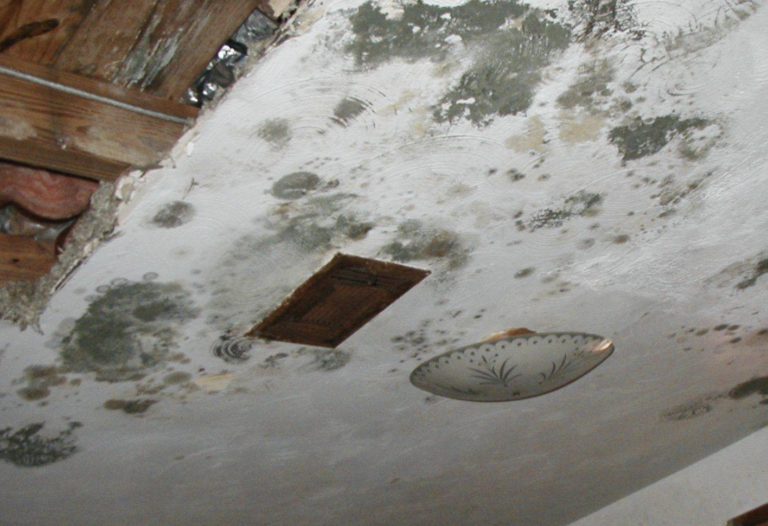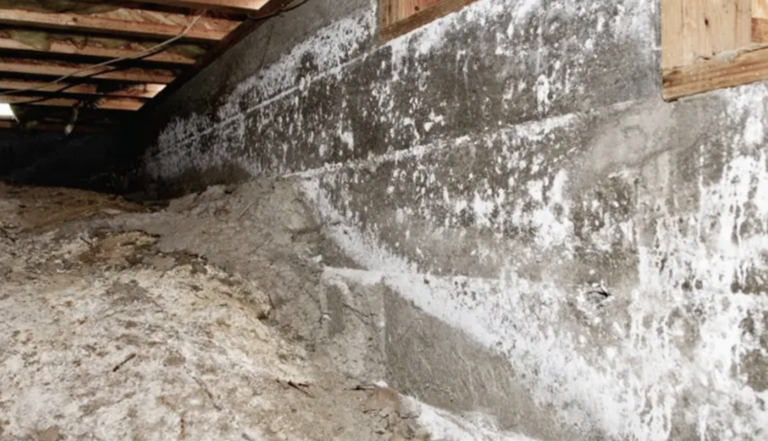
Crawl space moisture problems in Southern California cost homeowners anywhere from $500 for basic encapsulation in a small, accessible space to $15,000 or more for full remediation involving mold removal, structural repairs, and vapor barrier installation in a compromised crawl space. The wide range reflects how different crawl spaces are—their size, access, the extent of moisture damage already done, and whether mold has established itself in the joists and subfloor. Understanding what drives cost is essential before getting quotes, because crawl space work is one of the areas where misdiagnosis and upselling are most common.
Why Southern California Crawl Spaces Develop Moisture Problems
At first glance, Southern California’s dry climate seems like it should protect crawl spaces from moisture. In practice, the opposite is often true. Several regional factors combine to make Southern California crawl spaces particularly vulnerable:
Marine layer and coastal humidity. Communities from Long Beach to Santa Monica experience regular morning marine layer that pushes ambient humidity into crawl spaces. During the summer months, this moist air contacts cool soil and condenses on framing, insulation, and vapor barriers—or unprotected dirt floors where no vapor barrier exists.
Irrigation and landscaping runoff. Many Southern California homes maintain year-round landscaping that requires regular irrigation. Overwatering and improper grading push water toward the foundation, raising soil moisture directly beneath the crawl space.
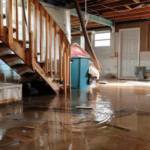
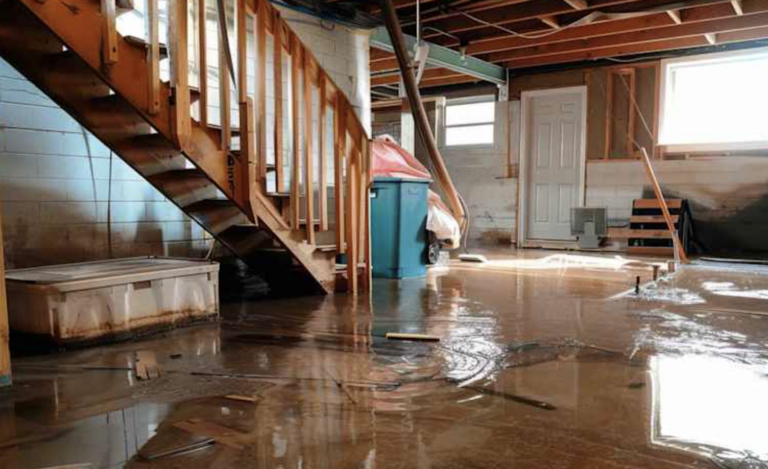
Winter rain intrusion. Southern California’s rainy season (December through March) is short but intense. Homes with inadequate drainage around the foundation, missing or damaged foundation vents, or low grading can accumulate standing water in crawl spaces during heavy rain events that the dry months never reveal.
Condensation from HVAC equipment. Many Southern California homes run HVAC equipment in the crawl space. Ductwork running through an unconditioned crawl space produces condensation in both summer (cold ducts in warm crawl space air) and winter (temperature differentials), and HVAC drain lines that drip directly onto the crawl space floor are a common moisture source.
Signs of Crawl Space Moisture Problems
Crawl space moisture damage often isn’t visible from inside the home until it’s severe. The most common signs homeowners notice include:
- Musty odor inside the home, particularly first thing in the morning or after the house has been closed up
- Floors that feel soft, springy, or noticeably warmer or cooler than normal
- Increased allergy symptoms or respiratory issues without another explanation
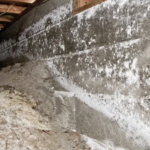
- Visible efflorescence (white mineral deposits) on the foundation walls near the crawl space
- Pest activity, particularly termites and wood-boring beetles, which are attracted to moist wood
- Higher than normal humidity readings inside the home
A formal crawl space inspection—which involves physically entering the space and reading moisture levels in the framing and subfloor with a moisture meter—is the only reliable way to assess the actual condition. Homeowners should not rely on a visual inspection from the access hatch.
What Crawl Space Remediation Actually Involves
The scope of crawl space work varies significantly depending on what’s found during inspection. Here is a realistic breakdown of what different levels of work involve and what drives the cost of each:
Vapor barrier installation. A polyethylene vapor barrier installed over the dirt floor of the crawl space is the most basic moisture control measure. A 6-mil or 20-mil barrier blocks ground moisture from evaporating into the crawl space. Cost range: $1,000–$4,000 depending on crawl space size and accessibility.
Crawl space encapsulation. Full encapsulation goes beyond a floor vapor barrier to seal the walls, piers, and sometimes the ceiling of the crawl space with a continuous vapor barrier system, creating a semi-conditioned environment. This approach is more effective than a floor-only barrier in coastal Southern California conditions. Cost range: $3,000–$8,000 for a typical home.
Drainage and waterproofing. If water is entering the crawl space through the foundation walls or floor, drainage systems—interior French drains, sump pumps, or exterior grading corrections—must be addressed before vapor barrier work makes sense. Drainage work adds $1,500–$5,000 or more depending on the scope.
Mold remediation. Mold in the crawl space framing and subfloor requires professional remediation before any other work. Mold removal from crawl space wood framing involves HEPA vacuuming, treatment with antimicrobial agents, and in some cases sanding or dry ice blasting of affected surfaces. Severely damaged structural members may need to be sistered or replaced. Cost range: $2,000–$10,000+ depending on the extent of affected area and whether structural repairs are needed.
Insulation replacement. Fiberglass batt insulation in a moisture-damaged crawl space is typically compromised and must be removed. Wet or mold-contaminated insulation cannot be dried and reused. Replacement with encapsulation-appropriate insulation (rigid foam board on crawl space walls rather than batts between floor joists) is part of a complete remediation. Cost range: $1,000–$3,500.
How to Get an Accurate Quote and Avoid Common Upselling
Crawl space remediation is a category where consumers regularly receive inflated quotes or unnecessary scope. A few practices protect against this:
Get at least three quotes from different types of contractors: a dedicated crawl space/waterproofing company, a general restoration contractor, and ideally a general contractor who does crawl space work. Different contractors have different incentives. Crawl space-specific companies tend to upsell encapsulation and drainage systems; general contractors may underscope the mold remediation component.
Ask each contractor for their moisture readings. Any legitimate quote for crawl space moisture remediation should be based on actual moisture meter readings from multiple points in the framing and subfloor—not just a visual inspection. Ask to see the readings and what the recommended range is for Southern California conditions (ideally below 16% moisture content in wood).
Request a scope that separates mold remediation from moisture prevention. These are different scopes of work, and conflating them makes it difficult to evaluate what you’re being quoted. If mold is present, the mold remediation should be priced separately from the vapor barrier or encapsulation work.
Frequently Asked Questions
Does homeowners insurance cover crawl space mold and moisture damage?
Standard California homeowners policies cover sudden and accidental water damage, but typically exclude gradual moisture damage from condensation, poor ventilation, or chronic irrigation runoff. If the moisture source was a specific sudden event—a burst pipe that discharged into the crawl space, a washing machine drain line failure, or storm flooding—that event may be covered. Gradual moisture accumulation over months or years is almost always excluded. Call your insurer as soon as the damage is discovered; a restoration company can help document the source and timing of the moisture event.
Can I install a vapor barrier myself?
A basic polyethylene vapor barrier installation on a flat, accessible crawl space floor is within the capability of a prepared DIYer. The challenge in Southern California crawl spaces is that many have uneven floors, limited access, plumbing and HVAC obstacles, and existing moisture damage that complicates installation. If mold is present in the framing or subfloor, professional remediation must happen before the vapor barrier goes in—installing a barrier over moldy framing traps moisture and accelerates the damage. If the crawl space has any sign of mold, hire a professional.
How long does crawl space remediation take?
For a typical single-family home, active mold remediation in the crawl space takes 2–5 days. Vapor barrier or full encapsulation installation takes 1–3 days. If structural repairs are needed, add time. Total elapsed time from assessment to completion of a moderate scope is typically 1–2 weeks, with some waiting time between remediation clearance and installation work beginning.
How do I know if my Southern California crawl space needs encapsulation vs. just a vapor barrier?
A vapor barrier alone is often sufficient in inland Southern California communities with good drainage and low soil moisture. Full encapsulation is more appropriate for coastal communities experiencing consistent marine layer intrusion, homes with known groundwater or drainage issues, and homes where HVAC equipment is located in the crawl space. A moisture specialist can assess your specific conditions and recommend the appropriate scope rather than defaulting to full encapsulation for every situation.
Crawl Space Moisture in Your Long Beach Area Home?
Jackson Restoration assesses and remediates mold in Southern California crawl spaces, providing IICRC-certified mold inspection, remediation, and documentation for insurance purposes. If you’ve noticed musty odors, soft floors, or have not had your crawl space inspected in several years, our team can assess what’s actually happening before any work begins. Visit our mold remediation page or call us 24/7 for an assessment.