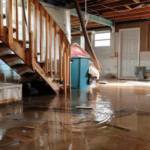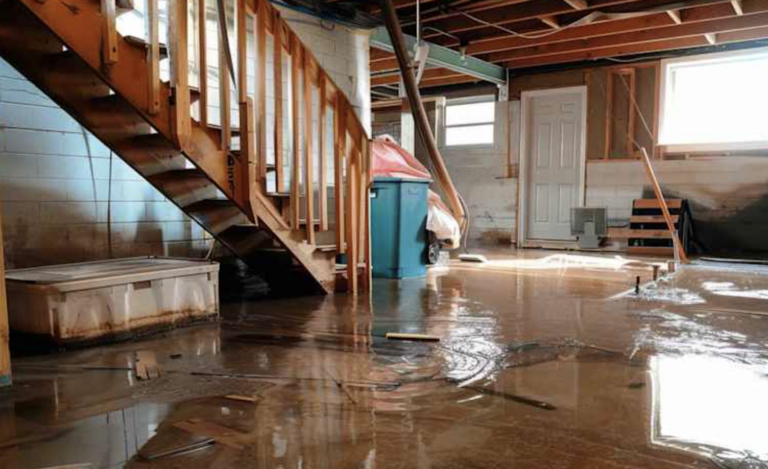
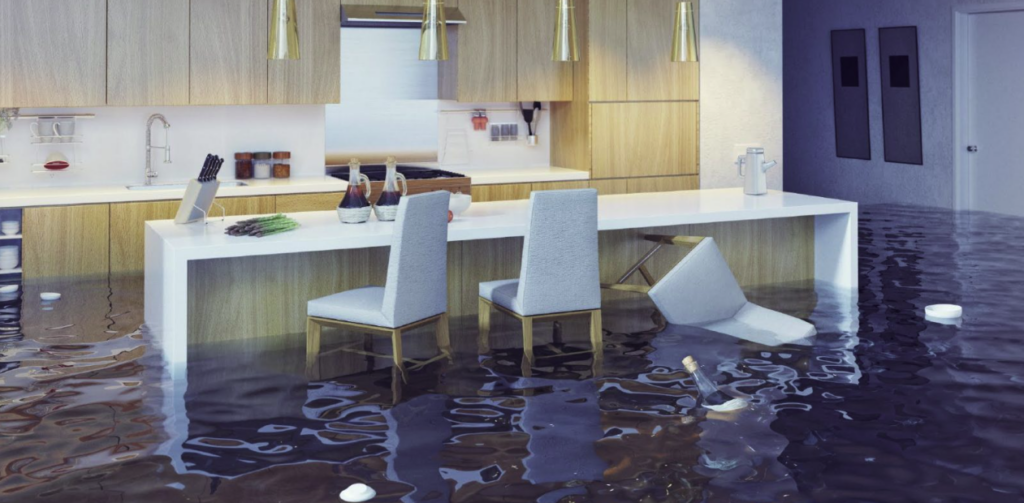
Renters insurance in California covers water damage to your personal belongings caused by sudden and accidental events – like a burst pipe – but does not cover damage to the building structure itself, which is the landlord’s responsibility under California Civil Code, and does not cover flooding from rain or outside sources unless you have a separate flood policy.
In Long Beach and across Los Angeles County, more than half of all residents rent rather than own. Yet renters insurance is widely misunderstood – many tenants don’t know what it covers, and many don’t have it at all. If water damage has hit your rental unit, knowing who pays for what before you start making calls can save you thousands of dollars and weeks of confusion.
What Renters Insurance Does Cover in California
A standard renters insurance policy (also called an HO-4 policy in California) provides three types of coverage relevant to water damage:
Personal Property Coverage
If a pipe bursts or an appliance overflows and damages your belongings – furniture, electronics, clothing, bedding – your renters insurance covers the replacement or repair of those items, subject to your deductible. The building itself (walls, floors, ceilings, built-in fixtures) is the landlord’s property and falls under the building’s insurance, not yours.
Additional Living Expenses (ALE)
If the water damage to your unit makes it uninhabitable – requiring you to stay in a hotel while repairs are made – your renters insurance typically covers those hotel costs and reasonable increased living expenses for the duration of displacement. This is one of the most valuable and least-understood features of renters insurance in California.
Liability Coverage
If water from your unit damages a neighbor’s property – say, your washing machine overflow seeps into the unit below – your renters insurance liability coverage may protect you from a claim by your neighbor or their insurer.
What Renters Insurance Does NOT Cover
- The building structure. Walls, ceilings, flooring, and fixtures are the landlord’s property. Their insurance – or the building’s master policy – covers structural damage.
- Flooding from rain, storm surge, or rising water. Standard renters insurance excludes flood damage just like standard homeowners insurance does. Flood coverage requires a separate NFIP or private flood policy.
- Gradual leaks you didn’t report. A slow drip from a faucet or pipe that went unreported for months and eventually damaged your belongings is typically excluded. Coverage applies to sudden, accidental events – not damage that accumulated over time.
- Negligence-based damage. If you left a bathtub running and flooded your unit (and your neighbor’s below), your liability coverage may respond – but damage to your own property from your own negligence is often excluded or limited.
When Is the Landlord Responsible?
This is where California law is more protective of tenants than many people realize. Under California Civil Code §1941, landlords are required to maintain rental properties in a habitable condition. California Civil Code §1941.1 defines habitability to include effective waterproofing and weather protection, plumbing systems in good working order, and freedom from dampness in living areas.
This means:
- If a pipe fails due to deferred maintenance – a known plumbing issue the landlord was aware of and didn’t fix – the landlord is liable for resulting damage, including damage to your personal property.
- If the roof leaks during a rainstorm because the landlord failed to maintain it, the resulting interior damage is the landlord’s responsibility.
- If common area plumbing (pipes in walls shared between units or in common spaces) fails and floods your unit, the building’s insurance and the landlord’s liability are in play.
The key distinction is negligence vs. sudden accidental failure. A pipe that bursts without warning due to no one’s fault is typically handled by the building’s insurance for structural repairs and your renters insurance for your belongings. A pipe that fails because the landlord ignored a reported problem shifts liability to the landlord.
What to Do When Water Damage Hits Your Rental
Whether or not the cause is clear, the first priority is stopping the damage from getting worse. Here’s the sequence that protects both your property and your legal position:
- Notify your landlord immediately – in writing. Text or email creates a timestamped record. California courts favor tenants who can document prompt notification. A landlord who receives written notice and fails to act loses the “sudden accidental” defense for subsequent damage.
- Document everything before touching anything. Photos and video of the water, the source if visible, and all damaged belongings are the foundation of both your insurance claim and any landlord dispute.
- Contact your renters insurance provider. Open a claim even before the full scope is clear. Your insurer will guide you on coverage and can assign an adjuster quickly.
- Call a professional restoration company. Waiting for the landlord to “handle it” can mean days of delay while water spreads and mold begins. Under California law, tenants have the right to arrange necessary repairs when a landlord fails to act promptly on a habitability issue – but getting professional help on the record also protects you.
- Keep all receipts. Hotel stays, meals, storage unit costs, and other additional living expenses are potentially reimbursable through your renters insurance ALE coverage.
Does the Landlord’s Insurance Cover Your Belongings?
No, and this is the most common misconception among California renters. A landlord’s insurance policy covers the building and the landlord’s liability. It does not cover the tenant’s personal property under any circumstances, regardless of who was at fault for the damage. Your belongings are your responsibility, which is exactly what renters insurance exists to cover.
If the landlord was negligent and you can establish that, you may have a legal claim for the value of your damaged belongings – but pursuing that through a dispute or small claims process is far slower and less certain than having your own renters insurance respond immediately.
What About Mold After Water Damage?
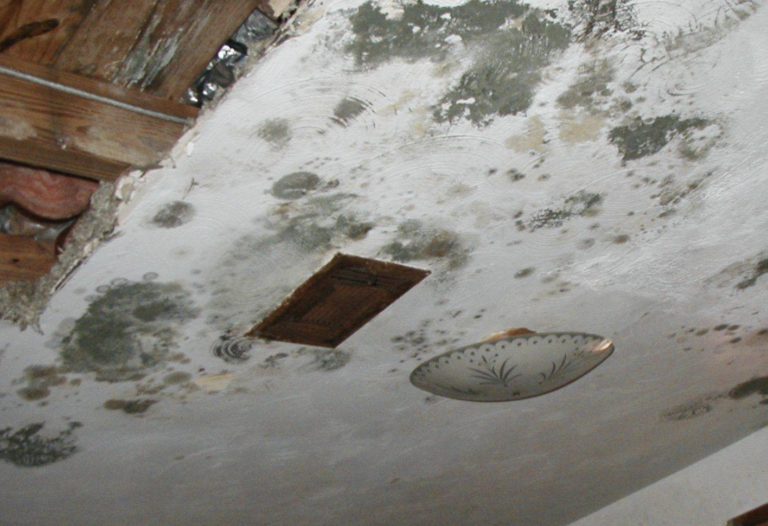
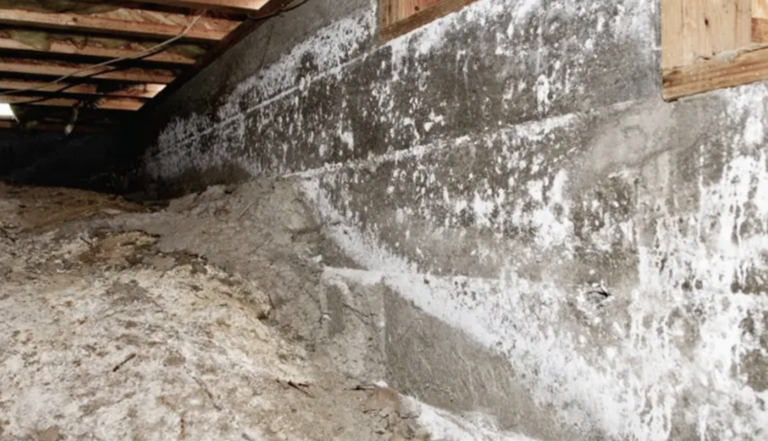
In California, mold resulting from water damage in a rental property is a habitability issue the landlord is legally required to address. Under California Health & Safety Code §17920.3, visible mold is classified as a substandard condition – meaning a landlord who fails to remediate known mold can face citations, rent withholding claims, and liability for health impacts.
If your rental unit has water damage and you’re concerned about mold development, contact a mold remediation professional for an assessment. Documenting mold growth with professional findings strengthens any habitability claim against a non-responsive landlord.
Should California Renters Have Renters Insurance?
California doesn’t legally require renters to carry insurance – but landlords can require it as a lease condition, and most do for good reason. The cost is typically $15 to $30 per month for a standard Long Beach or LA policy. For that premium, you get protection against not just water damage but fire, theft, and liability – coverage that would otherwise come entirely out of pocket.
If you don’t currently have renters insurance, this is the practical takeaway: a single water damage event that ruins a laptop, a TV, a couch, and a few nights at a hotel can easily cost $3,000 to $6,000. Renters insurance covers that for what most people spend on one dinner out per month.
We Respond to Rental Water Damage Across Long Beach and LA
Jackson Restoration works with both tenants and landlords navigating water damage in rental properties throughout Long Beach, Los Angeles County, and Orange County. We document damage thoroughly, work directly with both renters insurance and building insurance providers, and coordinate with property management to get restoration started fast – because in a California rental, every hour of delay affects multiple parties.
Contact us for 24/7 emergency response – or learn more about our water damage restoration services. We’re on-site within 60 minutes throughout Long Beach, Carson, Lakewood, Signal Hill, and the greater LA metro area.