Whether to repair or replace drywall after water damage depends primarily on two things: how long the drywall was wet, and whether mold has begun to grow. Drywall that was exposed to water for fewer than 24–48 hours and shows no signs of mold can often be dried in place and repainted; drywall that stayed wet longer, has visible mold, is structurally compromised, or contains insulation that remains saturated needs to come out. In Long Beach homes, where high humidity and coastal air make drying harder and mold growth faster, restoration professionals almost always test moisture levels before making this call—and the answer isn’t always obvious from surface appearance alone.
Why Drywall Is Particularly Vulnerable to Water Damage
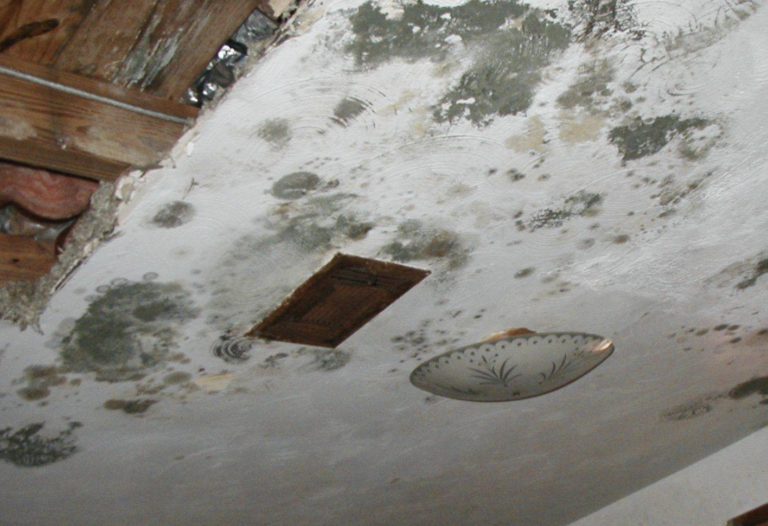
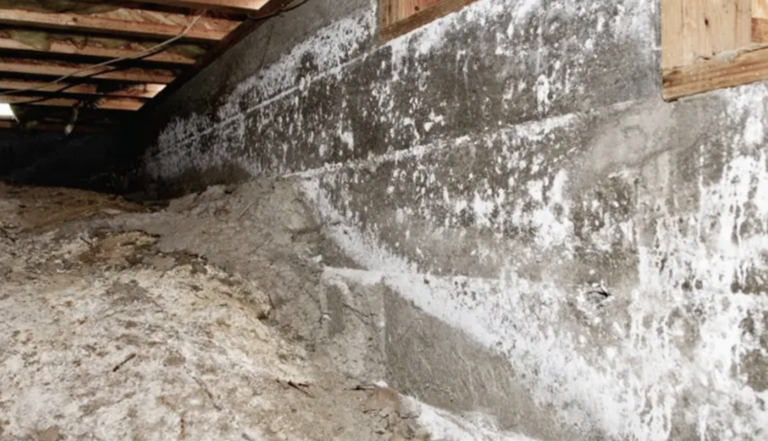
Drywall—gypsum board wrapped in paper facing—absorbs water readily and doesn’t release it easily. The gypsum core can soften and lose structural integrity after saturation, and the paper facing provides an ideal surface for mold colonization. Once mold establishes itself on or behind drywall, it spreads quickly through the paper and into the cavity behind the wall, often reaching framing and insulation before it’s visible on the surface.
In Long Beach and the surrounding South Bay, coastal humidity keeps ambient moisture levels higher than inland areas. After a plumbing failure, flooding event, or roof leak, drywall in Long Beach homes typically dries more slowly than it would in a drier climate—which extends the window during which mold can establish. This is why the 24–48-hour rule is a guideline, not a guarantee: in humid conditions, mold can begin to grow in as little as 24 hours on wet drywall.
Signs That Drywall Can Be Dried and Repaired
Not every wet wall needs to come out. Drywall that meets the following criteria is typically a candidate for drying in place and repair:
- The water source was clean (Category 1 water—a supply line break or clean rain intrusion, not sewage or floodwater)
- The drywall was wet for fewer than 24–48 hours before drying began
- Moisture readings from a professional moisture meter confirm the wall is fully dry after drying equipment runs
- No visible mold, staining, or musty odor is present
- The drywall is still structurally firm—not soft, crumbling, or bulging
- The insulation behind the wall (if any) was not saturated
Even in these cases, paint and any non-breathable coatings on the wall surface may need to come off to allow the drywall to dry properly. A professional restoration team will use commercial dehumidifiers and air movers to achieve drying, then verify moisture levels before closing the wall.
Signs That Drywall Needs to Be Replaced
Drywall replacement is necessary when any of the following are present:
- Mold visible on the surface. Any visible mold growth on drywall indicates that mold has penetrated the paper facing and likely extends into the wall cavity. Painting over mold or drying mold in place does not remediate it—the contaminated drywall must be removed.
- Musty odor without visible mold. Mold growing inside the wall cavity, behind the drywall surface, often produces a musty smell before it becomes visible. This warrants opening the wall to inspect.
- The drywall was wet for more than 48 hours. Extended saturation typically means mold colonization has begun even if it isn’t yet visible.
- The water was contaminated (Category 2 or 3). Greywater from a washing machine or dishwasher (Category 2), or sewage and floodwater (Category 3), contaminate drywall with bacteria and pathogens that cannot be dried out—the material must be removed and disposed of.
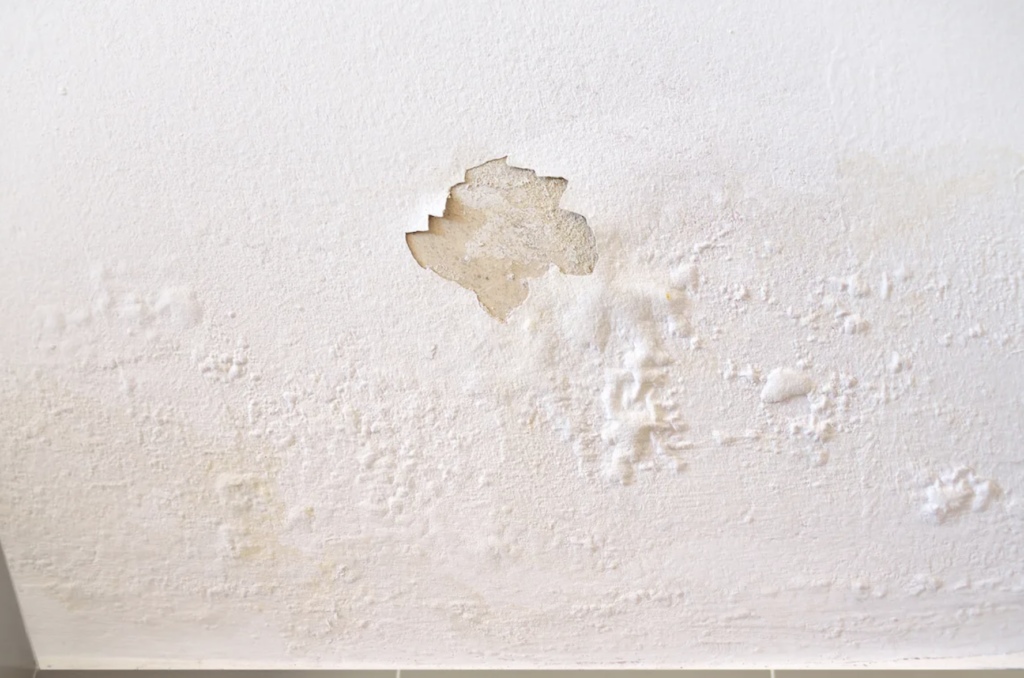
- The drywall is structurally compromised. Soft, sagging, bubbling, or crumbling drywall has lost its integrity and cannot be salvaged regardless of moisture levels.
- Insulation behind the wall is saturated. Fiberglass and particularly cellulose insulation holds water and provides a growth medium for mold. If insulation is wet, the wall section needs to come open to remove and replace it—the drywall typically comes out in that process.
The Inspection Process: Why You Can’t Judge by Looking
One of the most common mistakes Long Beach homeowners make after a water event is deciding drywall is fine based on its appearance after it dries. Drywall can look perfectly normal on the surface while harboring mold in the paper facing or active moisture in the wall cavity. Surface staining often disappears as the wall dries, and mold that starts behind the drywall surface isn’t visible until it’s well-established.
Professional restoration technicians use non-invasive moisture meters to read moisture levels inside wall assemblies without opening them, and thermal imaging cameras to identify cold spots caused by evaporating moisture inside walls. These tools reveal what the eye cannot. If moisture readings remain elevated after the drying phase, or if thermal imaging shows persistent wet spots, the wall section is opened for direct inspection regardless of surface appearance.
What the Repair or Replacement Process Looks Like
If drywall is being dried in place, the process involves drying equipment running for several days (typically 3–5 days for a standard wall assembly), daily moisture readings to track progress, and a final clearance check before the wall is repainted or recoated.
If drywall is being replaced, the process involves cutting out the damaged section (usually from stud to stud), inspecting and treating the framing if needed, replacing insulation if it was wet, installing new drywall, taping and mudding, sanding, priming, and repainting. When the water damage was caused by a plumbing failure inside the wall, the plumbing repair happens first—before any drywall goes back in.
In either case, matching the existing texture and paint in Long Beach’s older housing stock (Craftsman bungalows, mid-century homes, and older stucco construction) requires attention to existing finishes—something a licensed general contractor with restoration experience handles as part of the scope.
Frequently Asked Questions
Can I just dry out wet drywall myself with fans?
Consumer fans move surface air but don’t create the pressure differential needed to dry inside a wall assembly. Professional dehumidifiers and air movers work together to pull moisture out of the wall cavity, not just off the surface. DIY drying with household fans almost always leaves moisture inside the wall, which leads to mold growth that becomes apparent weeks or months later. If the water event was significant, professional drying equipment is the only reliable approach.
My drywall looks fine after it dried. Does it still need to be checked?
Yes. Surface appearance after drying is not a reliable indicator of moisture content inside the wall or mold growth on the back face of the drywall. A moisture meter reading taken by a professional gives you an objective measurement rather than a visual guess. This is especially important in Long Beach where coastal humidity slows drying and accelerates mold growth.
How long does drywall replacement take?
For a typical water-damaged section, the active drying phase runs 3–5 days, followed by removal of damaged material, replacement, and finish work. The finish work—taping, mudding, sanding, priming, painting—adds another 2–4 days depending on the size of the affected area and the number of coats required. Total elapsed time from the initial water event to a finished wall is typically 1–2 weeks for a standard residential repair.
Will my homeowners insurance cover drywall replacement after water damage?
Coverage depends on the cause of the water damage. Sudden and accidental events—a burst pipe, a washing machine overflow, storm water intrusion through a damaged roof—are generally covered under standard California homeowners policies. Gradual leaks (a slow drip that went unnoticed for weeks or months) are typically excluded. An insurance claim should be opened as soon as water damage is discovered; waiting reduces coverage and limits documentation of the original scope.
Water Damage in Your Long Beach Home? Get a Professional Assessment
Jackson Restoration provides IICRC-certified water damage assessment and drywall restoration for Long Beach homes and businesses. Our team uses professional moisture meters and thermal imaging to make the repair-vs.-replace call accurately—so you don’t pay to replace drywall that could be saved, and don’t keep drywall that should come out. Visit our water damage restoration page or call us 24/7 for an immediate assessment.