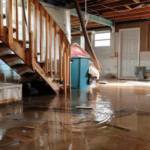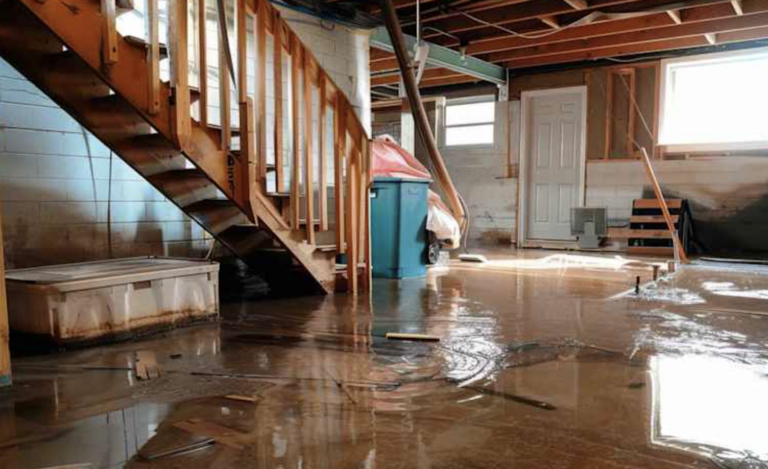
Water damage restoration in the Los Angeles area typically costs between $2,000 and $9,000 for a standard residential job, with the final price driven by the category of water involved, the square footage affected, and whether the damage requires structural drying only or also includes mold remediation or reconstruction. LA’s higher labor costs mean these figures run 20 to 35% above national averages.
If you’re dealing with water damage right now in Long Beach, Los Angeles, or the surrounding area, you’re probably trying to get a realistic number before calling your insurance company. This breakdown covers what actually drives the cost – no inflated estimates, no hidden variables buried in fine print – so you can make an informed decision about how to move forward.
The Three Cost Components That Make Up Every Water Damage Job
Water damage restoration isn’t one price for one thing. Every job breaks into three distinct phases, each with its own cost driver. Understanding all three prevents sticker shock when a full estimate arrives.
1. Water Extraction and Emergency Response
This is the immediate work: stopping the water source, extracting standing water with industrial equipment, and setting up the conditions for drying. Pricing is based on volume of water, affected square footage, and the type of equipment required.
- Minor water event (one room, limited water, caught quickly): $500-$1,200
- Moderate flooding (multiple rooms or significant standing water): $1,200-$3,500
- Major flooding (full floor, multi-area, or high-volume event): $3,500-$7,000+
2. Structural Drying
After visible water is extracted, the work that actually prevents mold begins. Industrial air movers, dehumidifiers, and drying mats run continuously – typically for 3 to 5 days – pulling moisture out of wall cavities, subfloors, framing, and insulation that surface drying won’t reach. This phase is often billed by the number of equipment pieces placed and the drying duration.
- Standard drying (1-2 rooms, 3 days): $600-$1,800
- Extended drying (multiple rooms, 5+ days): $1,800-$4,500
In the LA area, humidity levels – particularly in coastal communities like Long Beach, Seal Beach, and Huntington Beach – can extend drying time compared to inland areas. Marine layer moisture slows structural drying, especially in concrete slab-on-grade construction common throughout Southern California.
3. Repairs and Reconstruction
Once drying is confirmed complete using calibrated moisture meters, damaged materials are repaired or replaced. This phase varies the most because it’s entirely dependent on what was damaged.
- Minor repairs (drywall patch, paint, trim): $400-$1,200
- Moderate reconstruction (flooring replacement, drywall sections, cabinetry): $2,000-$6,500
- Significant reconstruction (structural damage, multiple rooms, kitchen or bath rebuild): $7,000-$25,000+
How Each Water Category Affects Your Total
The source of the water directly affects cost because different water types require different safety protocols, equipment, and material handling.
Category 1 – Clean Water
A supply line break, burst pipe, or clean appliance overflow. The least expensive to remediate – no contamination risk means standard extraction and drying protocols apply. A burst pipe repair that’s caught quickly and dried within 24 hours is the best-case scenario in terms of total cost.
Category 2 – Gray Water
Dishwasher or washing machine overflows, HVAC condensate drain backups, and appliance and AC leaks fall into this category. Gray water may contain detergents, biological matter, or other contaminants that require additional treatment. Typically 25-40% more expensive than a comparable Category 1 job.
Category 3 – Black Water
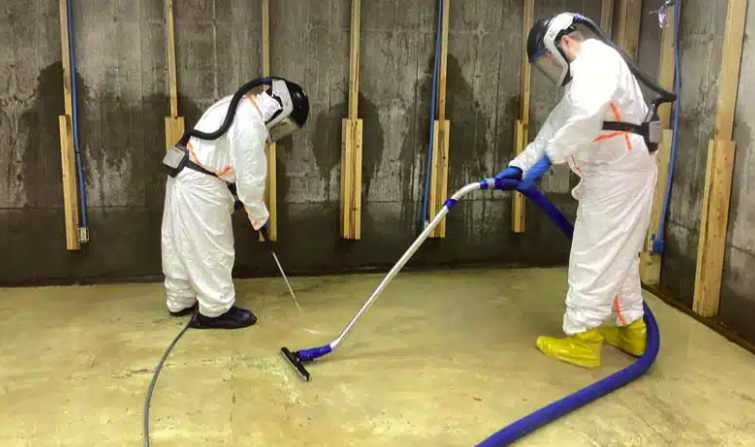
Sewage backup, stormwater intrusion, or water that has been standing long enough to develop bacterial growth. This is the most expensive to remediate – Category 3 requires full containment protocols, PPE, specialized antimicrobial treatment, and removal of porous materials (drywall, carpet, insulation) that can’t safely be dried in place. See our sewage cleanup and biohazard services for more on how this process works.
What Pushes Costs Higher in the LA Area
Several factors specific to Los Angeles and Long Beach properties push restoration costs above baseline national figures:
- Labor costs. LA County labor rates for licensed restoration and construction work run significantly above the national average. Licensing, insurance, and wage requirements all contribute to higher per-hour costs than markets like the Midwest or Southeast.
- Older housing stock. Long Beach has a significant inventory of pre-1960s construction with older plumbing, galvanized pipes, and construction methods that complicate both the damage pattern and the repair. Popcorn ceilings, lead paint, and asbestos-containing materials – more common in older LA-area homes – require additional protocols when disturbed.
- Multi-unit buildings. Condos and apartment buildings involve additional complexity – building management coordination, potential damage to neighboring units, HOA involvement, and sometimes multiple insurance policies. This adds both time and cost.
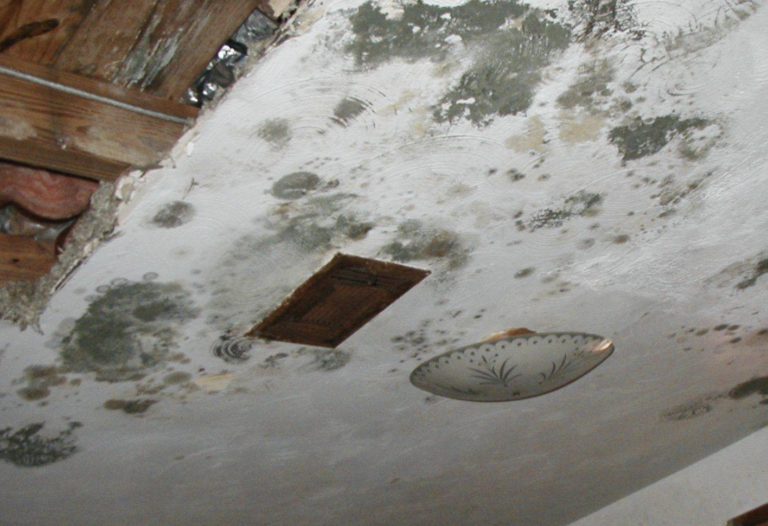
- Delayed response. Water that sits for 24-48 hours before a professional is called has already begun secondary damage – drywall softening, wood warping, and potential mold development. Every hour of delay adds to the total scope of work.
- Concrete slab construction. Much of the LA area’s residential housing sits on concrete slab foundations rather than raised wood-frame subfloors. Water that saturates beneath a slab floor requires specialty drying equipment and longer drying times than above-grade wood construction.
What Insurance Typically Covers in California
California homeowners insurance generally covers sudden and accidental water damage – burst pipes, appliance failures, roof leaks from storm damage. The standard exclusions:
- Flooding from rain or storm surge – requires a separate NFIP or private flood policy
- Gradual leaks that weren’t reported – “sudden and accidental” is the test; a slow leak behind a wall that’s been there for months typically isn’t covered
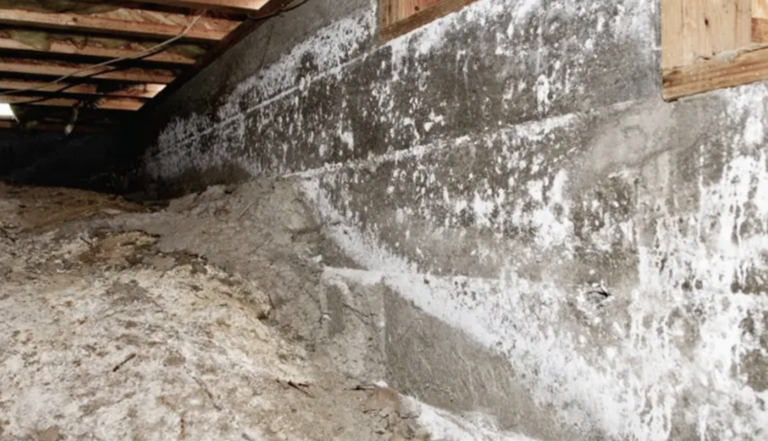
- Mold that results from neglected moisture – mold caused by a covered sudden event may be covered; pre-existing or neglected mold generally is not
Jackson Restoration works directly with all major California insurance carriers and handles the documentation, adjuster coordination, and supplemental claims process. See our insurance work page for a full overview of how we support the claims process from first call through final settlement.
Typical Total Costs for Common LA-Area Scenarios
- Burst pipe in one room, caught within hours (Category 1): $2,000-$4,500
- AC condensate overflow soaking a ceiling and wall: $1,500-$3,500
- Dishwasher or washing machine overflow, kitchen/laundry area: $2,000-$5,000
- Water intrusion from upstairs unit in a condo or apartment: $3,000-$8,000 depending on scope
- Storm or roof leak affecting attic and ceiling (Category 1-2): $2,500-$7,000
- Sewage backup, bathroom or utility area (Category 3): $3,000-$8,000
Get an Accurate Estimate – No Obligation
These ranges are honest estimates based on typical LA-area jobs – but the actual cost for your property depends on your specific situation. The only reliable way to know what you’re looking at is a professional on-site assessment.
Jackson Restoration provides free estimates for properties throughout Long Beach, Los Angeles County, and Orange County. Our team arrives within 60 minutes, assesses the full scope of damage – including what’s hidden inside walls and under flooring – and gives you a clear picture of what it will cost before you commit to anything.
Call (949) 669-7346 or request an estimate online. We’re available 24/7 – because water damage doesn’t wait for business hours.