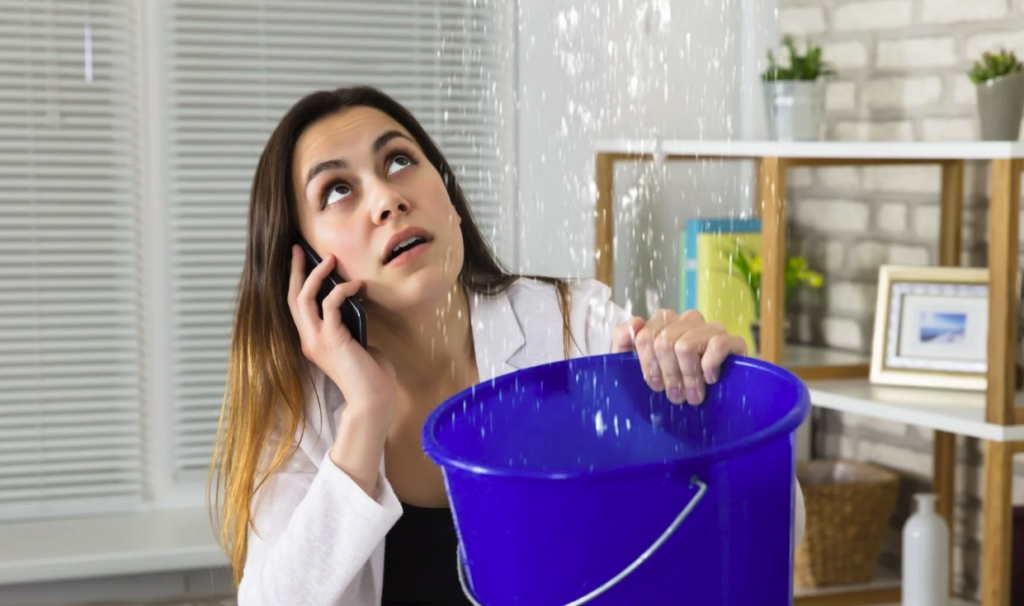
When water damage comes from an upstairs neighbor in California, liability depends on whether the source was negligence – such as an unattended overflowing bathtub – in which case the neighbor’s renters or homeowners insurance is responsible, or an accidental plumbing failure, in which case the building’s master policy and your own renters insurance may both be in play, and either way, you should call a professional restoration company immediately rather than waiting for liability to be resolved.
In Long Beach and across Los Angeles County, this scenario plays out constantly. The city’s high density of condominiums, apartment buildings, and multi-unit housing means that a water event in one unit frequently becomes a water event in multiple units. Understanding who pays – and what to do while that’s being sorted out – can save weeks of additional damage and thousands of dollars in avoidable costs.
The Two Key Scenarios and Who Bears Liability for Water Leaks
Scenario A: Your Neighbor Was Negligent
If the water came from your neighbor’s unit because of something they did – or failed to do – you may have a claim against them directly.
Common examples of neighbor negligence:
- Left a bathtub or sink running and it overflowed
- Ignored a known appliance leak that eventually worsened
- Failed to report a plumbing problem that was their responsibility to maintain
- Caused water damage during a DIY plumbing project
Under California Civil Code §1714, every person is responsible for injury to another caused by their negligence. If your neighbor’s carelessness caused water to enter your unit, they are liable for the resulting damage – and their renters insurance (if they have it) or homeowners insurance is the primary source of compensation.
In practice, this means filing a claim with their insurer, not yours. California law allows you to make a third-party claim against a negligent party’s insurance. Your own policy may cover you in the meantime and subrogate against the neighbor’s insurer to recover costs.
Scenario B: It Was an Accidental Plumbing Failure
If the water came from a pipe inside the wall, a building system failure, or a plumbing failure that wasn’t caused by anything the neighbor did, the analysis changes. Now you’re looking at:
- The building’s master insurance policy – if the failure was in common-area plumbing (pipes in shared walls, risers, building systems), the HOA or building owner’s policy covers structural damage including to your unit
- Your own renters or condo insurance – covers your personal property and additional living expenses regardless of fault
- Your neighbor’s insurance – generally not involved if the failure wasn’t their fault
In condominiums, the CC&Rs (Covenants, Conditions, and Restrictions) govern exactly where the building’s responsibility ends and individual unit owner responsibility begins. These documents vary significantly between HOAs – some place responsibility for pipe failures on the unit owner even when the pipe is inside a wall, others keep all plumbing within the building envelope under the HOA’s coverage. Reviewing your CC&Rs is essential in a condo water damage scenario.
What to Do Right Now – Before Liability Is Sorted Out
Here’s the most important point: don’t wait for the liability question to be resolved before starting restoration.
Water damage gets worse with every passing hour. Drywall softens, wood absorbs moisture, and mold begins within 24 to 48 hours. A dispute over who pays that results in 72 hours of delay before extraction begins can turn a $3,000 restoration job into a $10,000 mold remediation project – and no insurer is going to reimburse for avoidable damage caused by waiting.
The right sequence:
- Stop the source if possible. Notify your neighbor immediately and, if needed, contact building management to have the water source shut off.
- Document everything before any cleanup begins. Photos and video of the water, the affected areas, your damaged belongings, and the visible source (water coming through ceiling, from a wall, etc.) establish the factual record for all insurance claims to come.
- Notify your own insurance immediately. Open a claim under your own policy even if you believe the neighbor is at fault. Your insurer can respond quickly, pay for restoration, and subrogate against the responsible party later. This gets your property restored without waiting for a liability dispute to resolve.
- Notify building management or the HOA in writing. Create a timestamped record that the building was notified. This matters if common-area plumbing is involved.
- Call a professional restoration company. Get extraction and drying started. The clock is running on your 24-to-48-hour mold prevention window from the moment the water event happened.
Your Renters Insurance Responds Regardless of Fault
One of the most useful features of California renters insurance in a neighbor water damage scenario is that your personal property coverage pays for damage to your belongings regardless of whose fault it was. You don’t have to prove negligence against your neighbor to make a claim on your own policy for your damaged laptop, furniture, and clothing.
Your insurer will then pursue the responsible party through subrogation – recovering from the neighbor’s insurance or the building’s insurance on your behalf. You benefit from a faster, cleaner resolution while your insurer deals with the liability question.
If you don’t have renters insurance, this is the scenario that illustrates why you should. The ability to recover without proving fault is extremely valuable when you’re living in a multi-unit building where another person’s plumbing sits directly above your ceiling.
When the Building or HOA Is Responsible for a Water Leak
California Civil Code §1941 makes it clear that landlords and property owners are responsible for maintaining plumbing systems in good working order. If the water event was caused by a failure in the building’s systems – a riser pipe, a shared drain stack, a roof drain that backed up – the building owner or HOA bears responsibility for structural repair throughout all affected units.
A building management company or HOA that drags its feet on authorizing professional restoration while damage spreads can face liability for the additional damage caused by delay. California courts have held property owners responsible for consequential damages – including mold remediation costs – that resulted from their failure to act promptly after a reported water event.
If you’re in this situation and the building isn’t responding, a professional restoration company’s assessment and documentation creates a formal record of the condition and the timeline – which matters if you need to pursue a claim or take legal action later.
What If There’s Already Mold?
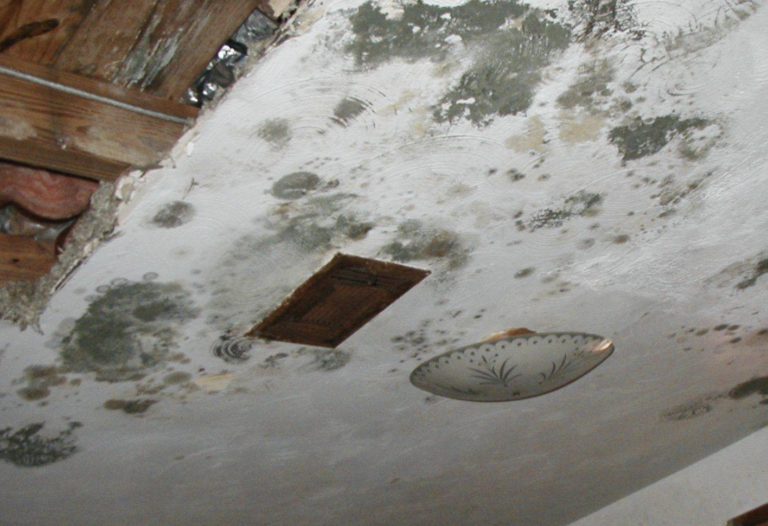
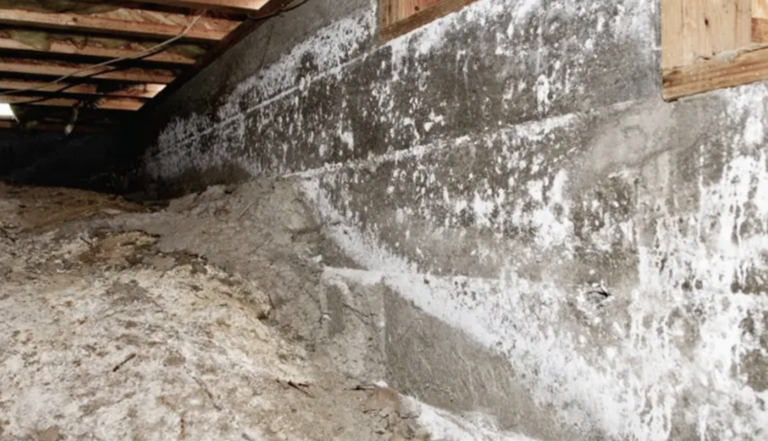
If the water damage from above happened recently and wasn’t properly dried, mold development is a real concern. Ceiling water intrusion that soaks drywall, insulation, and wood framing creates ideal mold conditions – and the space between your ceiling and your neighbor’s floor is typically inaccessible and poorly ventilated.
Signs that mold may have developed after ceiling water damage include a persistent musty odor, soft or sagging drywall, visible discoloration or staining that keeps returning after painting, and increased allergy or respiratory symptoms in the unit. If any of these are present, the scope of work expands beyond simple water damage restoration to include mold assessment and remediation – which affects both the cost and the timeline of restoration.
In California, if the mold results from a landlord’s or neighbor’s failure to address a known water condition, the responsible party’s liability extends to the mold remediation costs as well as the original water damage.
Storm and Flood Damage From Above
During heavy rain events – and Los Angeles’s atmospheric river storms have increased in intensity – roof failures, clogged gutters, and overwhelmed drainage systems can send water through upper-floor units into lower ones. This scenario involves both the building’s responsibility for roof and drainage maintenance and potentially a storm damage claim. See our storm and flood damage service page for how we handle storm-related water intrusion.
We Handle the Full Scope – And Work With All Parties
Jackson Restoration has extensive experience with multi-unit water damage situations throughout Long Beach, Los Angeles County, and Orange County – condominiums, apartment buildings, duplexes, and townhomes where neighbor and building liability intersect. We work simultaneously with multiple insurance carriers when needed, provide documentation that satisfies all parties’ adjusters, and keep restoration moving while the liability question is resolved in parallel.
Our water damage restoration services and insurance coordination are designed for exactly these complex scenarios. If you’re dealing with water damage from an upstairs unit, the clock is already running.
Contact us for 24/7 emergency response – we’re on-site in Long Beach, Carson, Lakewood, Signal Hill, and throughout LA and Orange County within 60 minutes.