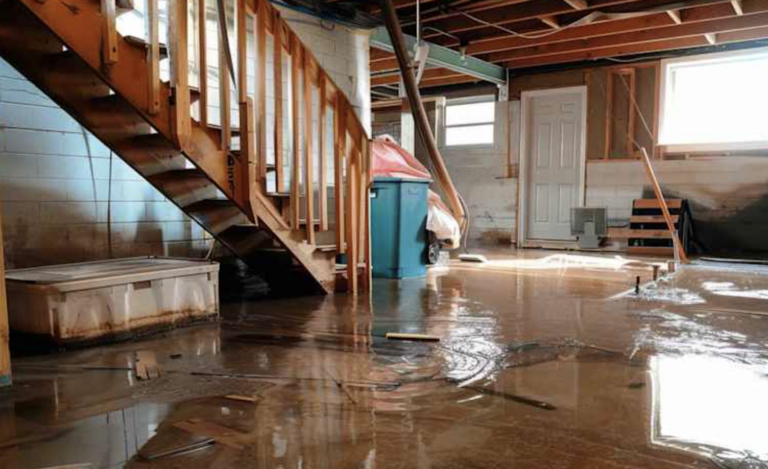
When water is spreading across your floor, “IICRC certified” probably isn’t a phrase you’ve thought about before. But it’s one of the fastest ways to tell a professional restoration crew apart from someone with a truck and a wet vac.
Jackson Restoration is an IICRC Certified Firm serving Long Beach, CA, providing water damage restoration, mold removal, and fire and smoke damage services. Here’s what that certification actually means, and why it’s worth checking before you let anyone into your home.
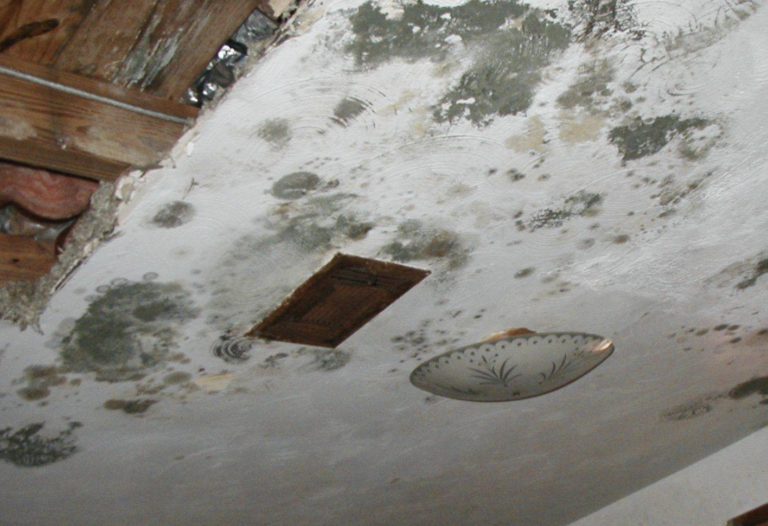
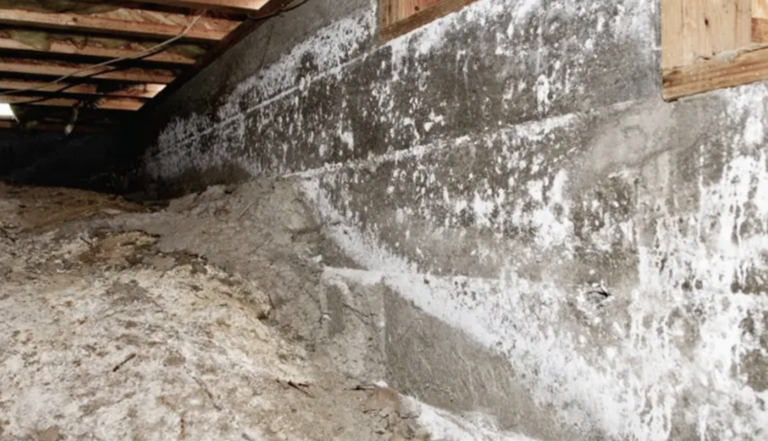
It matters more here than in a lot of places. Long Beach’s coastal humidity — worse the closer you get to the water in neighborhoods like Belmont Shore or Alamitos Beach — means a structure that isn’t dried the first time correctly doesn’t just stay damp. It turns into a mold problem within days. That’s exactly the kind of mistake IICRC training is built to prevent.
What Does IICRC Certified Mean?
IICRC stands for the Institute of Inspection, Cleaning and Restoration Certification — a nonprofit that sets the global standards for the restoration industry. Being IICRC certified means a technician has completed formal training and passed a standardized exam in a specific specialty, like water damage, mold, or fire and smoke cleanup.
Think of it like a license, but for restoration work specifically. It’s not a marketing badge a company can just print on their website. It’s tied to real coursework, a real test, and ongoing education to keep it current.
How IICRC Certification Actually Works
The process behind an IICRC certification breaks down into three parts:
- Training. A technician completes an approved course — in person or live-stream — covering the science behind the work. For water damage, that means understanding how materials absorb moisture, how to dry a structure without trapping mold behind the walls, and how to document everything an insurance adjuster will ask about later.
- Testing. After training, the technician sits for a standardized exam. Passing it is what earns the certification.
- Staying current. Certifications aren’t permanent. Technicians have to complete continuing education — 14 hours every four years — to keep their certification active. Standards change as materials and techniques improve, and a company that lets its certification lapse is a company that’s stopped keeping up.
The IICRC also publishes the technical standards the industry works from — S500 for water damage restoration and S520 for mold remediation are the two most homeowners will run into. When a company says they follow S500, that’s the actual rulebook they’re being held to, not just a nice phrase.
Certified Firm vs. Certified Technician — What’s the Difference?
You’ll see both terms used, and they’re not quite the same thing.
A Certified Technician is an individual who’s passed training and testing in a speciality — Water Damage Restoration Technician (WRT), Applied Microbial Remediation Technician (AMRT) for mold, or Fire & Smoke Restoration Technician (FSRT), among others.
An IICRC Certified Firm is the business itself. Per the IICRC’s own definition, a Certified Firm is “a business that employs one or more IICRC Certified Technicians.” The firm also agrees to follow the IICRC’s code of ethics — things like carrying the right insurance, using qualified technicians on every job, and being straightforward with customers about pricing.
That distinction matters because it’s the difference between “someone who works here happened to get certified once” and “this company is built around certified, standards-based work.” When you’re vetting a restoration company, ask which one you’re actually getting.
How to Choose a Water Damage Company in Long Beach
Water damage is one of those situations where you’re making a big decision fast, usually while standing in an inch of water. A few things worth checking before you make a call:
- Are they IICRC certified — and can they show it? A legitimate company won’t hesitate to tell you which certifications they hold. You can also check the IICRC’s Certified Firm Locator yourself.
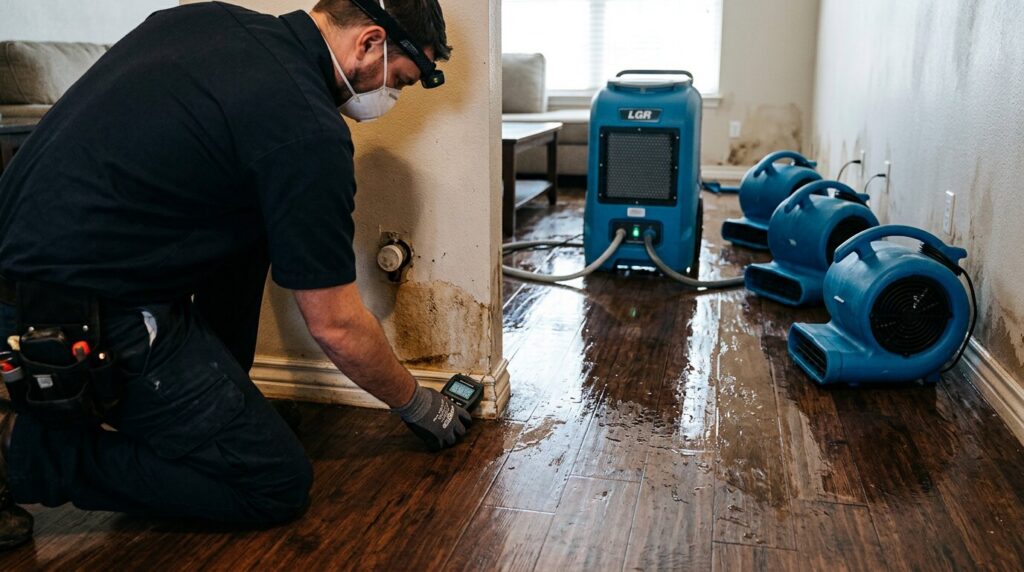
- Do they document for insurance, or just do the work? Certified technicians are trained to create the moisture readings, photos, and drying logs your insurance adjuster will want to see. That paperwork is often the difference between a claim that gets approved smoothly and one that gets disputed. A company that shows up without a moisture meter isn’t building the record you’ll need later.
- Are they local, and can they actually get there fast? Long Beach homes — especially closer to the coast in areas like Belmont Shore — deal with humidity that makes drying take longer if it’s not handled correctly from the start. A company that knows the area knows what they’re walking into.
- Do they handle water, mold, and fire — or just one? Water damage that isn’t dried completely often turns into a mold problem within days. A firm certified across multiple specialties can catch that before it starts.
Jackson Restoration is an IICRC Certified Firm in Long Beach, CA
Jackson Restoration holds IICRC Certified Firm status and provides water damage restoration, mold removal, and fire and smoke damage services to homeowners throughout Long Beach, CA. That means the crew showing up at your door is trained to the same S500 and S520 standards referenced above — not improvising.
In practice, that certification is what’s behind the parts of the job you don’t see: the moisture mapping that tells us exactly how far water went behind your walls, the drying equipment placement that keeps mold from taking hold, and the documentation that goes straight into your insurance claim. You get the calm version of a stressful day. We get the paperwork done right the first time — the adjuster, the photos, the drying walls, all of it, so you’re not the one chasing down proof that the work was done correctly.
Frequently Asked Questions
What’s the difference between an IICRC Certified Firm and a Certified Technician?
A Certified Technician is an individual who’s passed training and testing in a specialty. An IICRC Certified Firm is a business that employs one or more of those certified technicians and agrees to follow the IICRC’s code of ethics.
Is IICRC certification worth it when choosing a restoration company?
Yes. It means the company follows documented, industry-recognized procedures for drying, cleaning, and repairing your home — which affects both the quality of the work and how smoothly your insurance claim gets processed.
How do I verify a company’s IICRC certification?
You can look up any firm or technician using the IICRC’s free Certified Firm Locator at iicrc.org, which lists active certifications by company name and location.
If you’re dealing with water damage in Long Beach right now, don’t wait on the paperwork question — call Jackson Restoration and we’ll walk you through what happens next, insurance included.