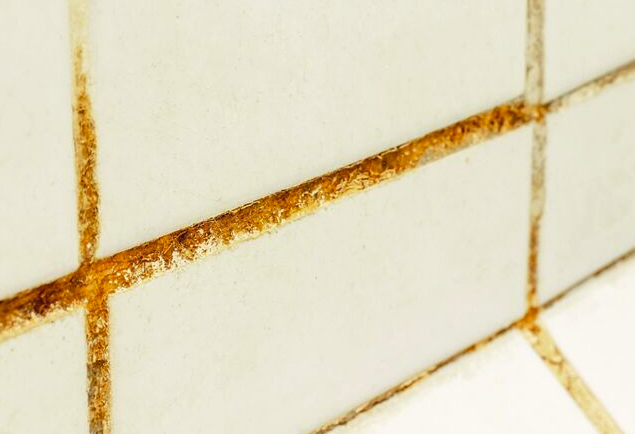
Orange mold in a bathroom is most commonly a yeast-like organism called Rhodotorula or an early-stage fungal growth from the Acremonium family, both of which thrive in the warm, humid conditions of showers and bathtubs. While orange mold is generally less toxic than black mold (Stachybotrys), it still poses health risks — especially for people with respiratory sensitivities — and its presence signals a moisture problem that won’t resolve without addressing the source.
If you’re seeing orange discoloration in your bathroom, here’s what you need to know about identifying it, removing it safely, and deciding when the problem has gone beyond a DIY fix.
What Is Orange Mold?
The term “orange mold” actually refers to several different microorganisms that produce a similar orange or reddish-orange color. In bathroom environments, the most common are:
- Rhodotorula — A yeast (not a true mold) that produces a distinctive orange-pink pigment. It’s extremely common in shower grout, around drains, and on soap scum. It spreads quickly in moist conditions and returns rapidly after cleaning if the moisture source isn’t addressed.
- Acremonium — A true mold that appears in orange, white, or gray tones. It typically forms in wetter areas like caulk seams and behind fixtures. More aggressive than Rhodotorula and can produce mycotoxins under certain conditions.
- Trichoderma — Initially appears white or green but can present with orange coloration at certain growth stages. More commonly found in water-damaged drywall behind bathroom tile than on exposed surfaces.
- Fulvia fulva — Less common in homes but sometimes found in bathrooms with very poor ventilation and persistent humidity.
In Southern California bathrooms, Rhodotorula and Acremonium are by far the most frequently encountered. Long Beach’s coastal climate — with marine layer humidity that lingers through summer mornings — creates conditions where bathroom moisture doesn’t fully dissipate between uses, making it an ideal growth environment.
Is Orange Mold in the Bathroom Dangerous?
Orange mold is not benign, but it’s also not the same level of concern as a heavy black mold infestation. The risks depend on the organism and the exposure level:
Rhodotorula is an opportunistic pathogen — it rarely causes problems in healthy adults but poses real risks for people with compromised immune systems, those undergoing chemotherapy, organ transplant recipients, and anyone with chronic respiratory conditions like asthma. It has been associated with bloodstream infections in immunocompromised individuals and should not be dismissed as harmless.
Acremonium can produce mycotoxins and is associated with respiratory irritation, skin rash, and eye irritation even in otherwise healthy people. Prolonged exposure in a poorly ventilated bathroom is a legitimate health concern.
Even for healthy adults, breathing mold spores daily in an enclosed shower environment is not a neutral activity. If you have children, elderly family members, or anyone with allergies living in the home, orange bathroom mold warrants prompt action.
Where Orange Mold Typically Appears in Bathrooms
Orange mold concentrates wherever moisture collects and organic material (soap residue, skin cells, shampoo buildup) provides nutrients:
- Shower grout lines — The porous surface of grout holds moisture and organic debris, making it the most common location for both Rhodotorula and Acremonium.
- Caulk seams — Around the tub/wall junction and where the shower pan meets the wall. Cracked or aging caulk traps water and becomes a persistent mold site.
- Drain surrounds — Hair and soap combine around drains to create a nutrient-rich, perpetually wet environment.
- Ceiling corners — Rising steam collects at ceiling corners, particularly in bathrooms without exhaust fans or with fans that vent into the attic rather than outside.
- Behind the toilet — Low air circulation and occasional condensation make this a common spot, especially in older Long Beach homes where floor-to-wall tile gaps exist.
- Under bath mats and around fixture bases — Anywhere water pools regularly without fully drying.
Orange Stains vs. Orange Mold: How to Tell the Difference
Not every orange discoloration in a bathroom is mold. Two common look-alikes are iron deposits from hard water (which leave rusty orange streaks, especially around faucets and shower heads) and beta-carotene pigment from certain cleaning products. The practical test: mold has a fuzzy or slightly raised texture and appears in irregular patches; mineral staining tends to be flat, follows water flow patterns, and is concentrated around fixtures. When in doubt, a small amount of household bleach applied to the spot will bleach out mold but won’t remove mineral staining.
Can You Remove Orange Mold Yourself?
For surface orange mold on grout, caulk, or tile — and when the growth is limited to a small area (under 10 square feet) — DIY removal is reasonable with proper precautions. Use a spray bottle with either undiluted white vinegar or a diluted bleach solution (1 cup bleach per gallon of water). Apply, let dwell for 10–15 minutes, scrub with a stiff-bristle brush, and rinse thoroughly. Wear gloves and ensure the space is ventilated.
Two important caveats. First, surface cleaning removes visible mold but does not address the moisture conditions that caused it. Without fixing ventilation, reducing humidity, or repairing the moisture source, orange mold will return within weeks. Second, if the mold is growing in the caulk itself (not just on the surface), the caulk needs to be removed and replaced — scrubbing the surface won’t reach the organism growing within the material.
When to Call a Professional for Bathroom Mold
Surface orange mold is a different situation than mold that has established itself behind tile, inside wall cavities, or in the subfloor beneath a leaking shower pan. The warning signs that the problem has gone beyond a bathroom cleaning job include:
- Mold reappears within days of cleaning, regardless of what product you use
- Soft or spongy tile, or grout that crumbles when touched, suggesting moisture penetration behind the wall
- A persistent musty smell even after cleaning visible surfaces
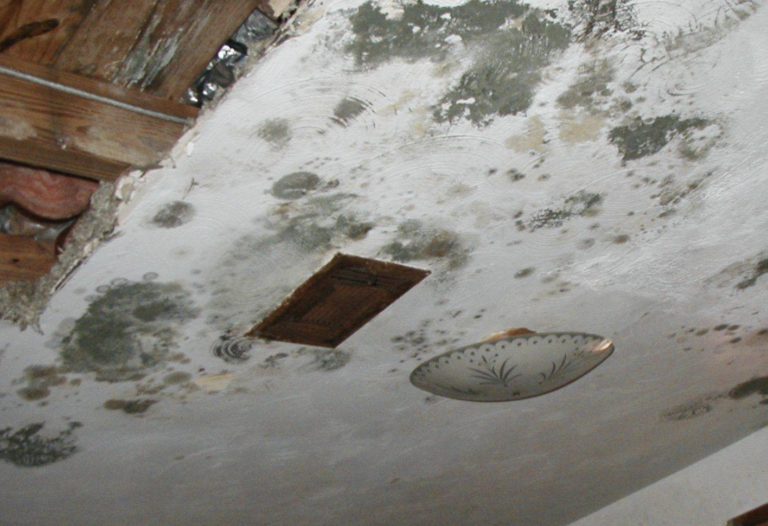
- Visible mold growth on the bathroom ceiling (particularly in the drywall)
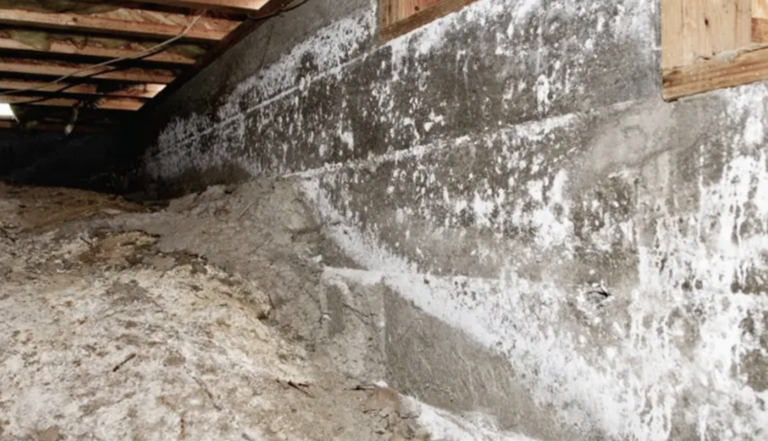
- Any discoloration spreading at the base of the wall where it meets the floor
- Orange or dark staining visible around the perimeter of the tub or shower on the adjacent bedroom or hallway wall
These signs point to a systemic moisture problem rather than surface contamination. In that scenario, professional mold remediation is necessary — not because the mold itself is necessarily more dangerous, but because eliminating it requires opening the wall assembly, treating the affected framing or drywall, and resolving the moisture pathway.
For context on how California law handles mold disclosure and landlord/tenant responsibilities — relevant if you rent your home in Long Beach and your bathroom mold keeps returning despite complaints — see our guide on California mold laws for renters and landlords. And if there’s been any water damage connected to the mold growth — a leaking shower pan, a slow pipe drip, or a ceiling leak from above — our water damage restoration team can assess both issues together.
How to Prevent Orange Mold from Coming Back
Long-term prevention in a Southern California bathroom comes down to keeping humidity below the threshold where mold can establish itself (generally below 60% relative humidity). The most effective steps are:
- Run the exhaust fan during and for 20–30 minutes after every shower. Confirm the fan vents to the exterior, not into the attic — a common installation error in older LA County homes that creates a mold problem in the attic instead.
- Squeegee shower walls after each use. Removing surface water immediately after showering dramatically reduces moisture availability for mold growth.
- Regrout and recaulk on a regular schedule. Grout sealer should be reapplied every 1–2 years. Caulk that is cracked, peeling, or discolored should be replaced rather than cleaned.
- Leave the bathroom door open after showering when the exhaust fan isn’t running, to allow passive airflow.
- Use a squeegee or dry cloth on the shower door tracks — these collect standing water and are a frequent origin point for orange mold that then spreads to adjacent grout.
Frequently Asked Questions
Is orange mold in the shower the same as pink mold?
They’re often caused by the same organism — Rhodotorula — which produces pigments ranging from pink to orange depending on the environmental conditions and growth stage. The removal approach is the same, and so are the health considerations.
Can orange mold in the bathroom make you sick?
For healthy adults with typical immune function, brief exposure is unlikely to cause serious illness, though it can cause eye, skin, and respiratory irritation. For immunocompromised individuals, children, and people with respiratory conditions, the risk is higher. Chronic daily exposure in an enclosed space (a small bathroom used multiple times per day) increases risk for anyone.
Why does orange mold keep coming back after I clean it?
Because cleaning the visible mold doesn’t address the conditions that allow it to grow. If the bathroom doesn’t fully dry between uses, the mold spores that survive cleaning (or that re-enter through air circulation) will recolonize the same surfaces. Fixing the ventilation and reducing moisture is the only lasting solution.
Can orange mold grow inside my bathroom walls?
Yes. If a shower pan is leaking, if there’s a slow plumbing drip inside the wall, or if moisture has been penetrating grout and caulk over time, mold can establish itself in the drywall, insulation, and wood framing behind the tile. This type of mold is not visible during routine cleaning and typically requires professional assessment to identify and remediate.
How much does bathroom mold remediation cost in Los Angeles County?
Surface-level bathroom mold cleaning is typically modest in cost. When remediation requires opening walls, treating structural components, and repairing the source of moisture, costs increase significantly based on the scope. A professional assessment is the first step in understanding what you’re dealing with — many restoration companies, including Jackson Restoration, offer initial assessments so you know what the remediation involves before committing to a full scope of work.
Contact Jackson Restoration for Bathroom Mold Issues in Long Beach
If orange mold in your bathroom keeps coming back, there’s a moisture problem somewhere that surface cleaning can’t solve. Jackson Restoration serves Long Beach, Lakewood, Compton, Carson, Signal Hill, and surrounding communities in LA County. Our mold remediation team can assess whether the issue is surface-level or structural, identify any connected water damage, and give you a clear plan for permanent resolution. Contact us today for a professional evaluation.