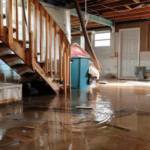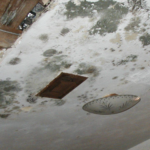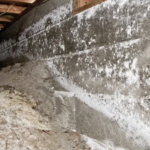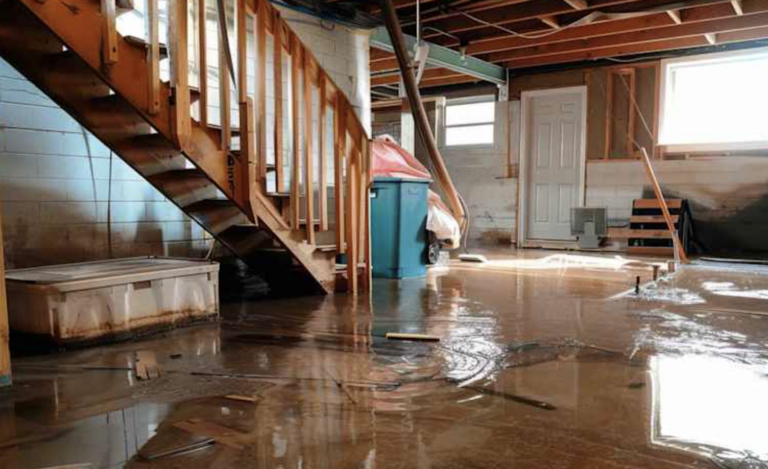
When a water heater leaks, call a plumber to fix the unit and a water damage restoration company to address what the water did to your home — in that order, ideally on the same day. These are two separate problems requiring two different specialists, and treating it as only a plumbing issue is how a manageable leak becomes a flooded garage, warped subfloor, or mold problem three weeks later.
Here’s what Long Beach and LA County homeowners need to know about responding to a water heater leak, from the first five minutes to the insurance claim.
What Kind of Leak Are You Dealing With?
Not all water heater leaks are equal. The location of the leak determines both the urgency and the scope of potential damage:
- Pressure relief valve drip — A small drip from the T&P (temperature and pressure) relief valve on the side of the tank is usually not an emergency, but it does signal that pressure is building inside the tank. Don’t ignore it.
- Inlet/outlet connection drip — Slow leaks at the cold water inlet or hot water outlet connections at the top of the tank are common as fittings age. Usually manageable and fixable by a plumber without replacing the tank.
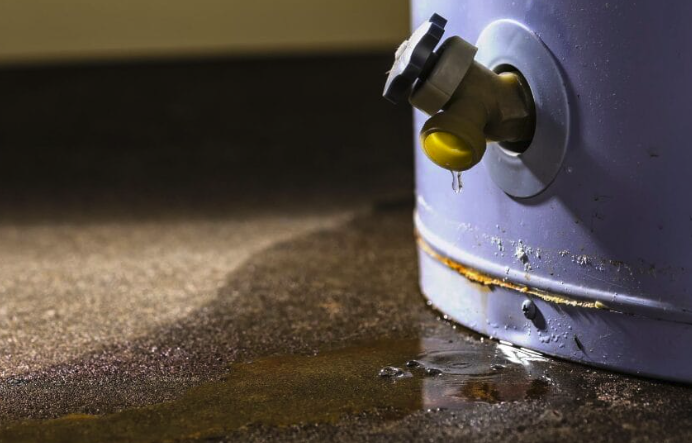
- Base of tank leaking — Water pooling at the base of a tank-style water heater almost always means the tank has internally rusted or corroded. This is a tank failure, not a fitting problem, and it means the tank needs replacement. It also means a significant volume of water may have already released.
- Full tank rupture — A 40–80 gallon tank that releases all at once. In Southern California homes where water heaters are commonly installed in garages or utility closets adjacent to living spaces, a full tank failure can send water under doors, into adjacent rooms, and beneath flooring very quickly.
Step-by-Step: What to Do Right Now
1. Shut Off the Water Supply to the Heater
There’s a cold water supply line running to the top of the unit. Follow it to the shutoff valve — usually a ball valve or gate valve directly above the tank — and close it. This stops additional water from entering the tank. If you can’t find it or it won’t turn, shut off the main water supply to the house.
2. Turn Off the Power or Gas
For electric water heaters, locate the breaker in your electrical panel labeled “water heater” and switch it off. For gas water heaters — the most common type in Long Beach and greater LA County — turn the thermostat dial to “pilot” or “off” position. Do not leave a gas unit running while it’s leaking.
3. Contain the Water
Place towels, buckets, or anything absorbent around the base of the unit to slow the spread while you make calls. If the garage floor is concrete, water is likely already moving toward any nearby doors, floor drains, or utility transitions into the house. Check the adjacent rooms immediately.
4. Call a Licensed Plumber
The plumber’s job is the water heater itself: diagnose the cause, repair or replace the unit, and restore your hot water. In LA County, you’ll want a licensed contractor for any gas work. For a tank replacement, expect same-day or next-day service from most local plumbers.
5. Call a Water Damage Restoration Company
This call matters just as much as the plumber — and it shouldn’t wait. While the plumber handles the hardware, the restoration company handles the structural damage: extracting standing water, drying the concrete slab or subfloor, treating any affected drywall, and documenting everything for your insurance claim. Jackson Restoration offers 24/7 emergency water damage response in Long Beach and across LA County — same-day response on emergency calls.
What a Leaking Water Heater Actually Does to Your Home
The hardware failure gets fixed relatively quickly. The building damage is the part that takes days to address — and the part most homeowners underestimate.
In a typical Long Beach home, the water heater sits in the garage or a dedicated utility closet. When it leaks, here’s what happens structurally:
Concrete slab garage floors don’t absorb water, so the water finds the lowest path — toward the door to the house, the base of drywall, or under the door threshold into the laundry room or hallway. That transition point is where the most damage typically concentrates.
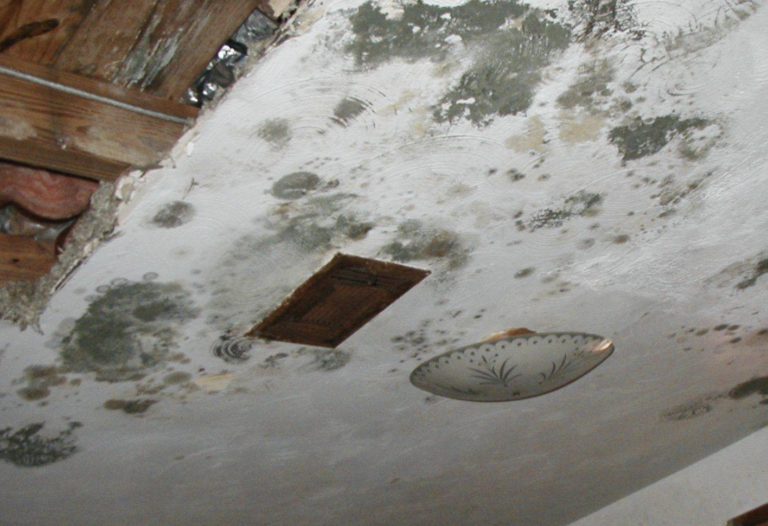
Drywall at the base of garage walls acts like a sponge if water stands against it for more than a few hours. Standard drywall will wick moisture up from the floor and begin deteriorating from the inside before you see exterior signs. Mold can establish itself in wet drywall within 24–48 hours.
Adjacent flooring — if water reaches a doorway into living space, it can travel under hardwood flooring, laminate, or vinyl planking and begin saturating the subfloor without ever being visible on the surface. By the time you notice buckling or cupping, the subfloor has been wet for days.
Insulation and framing in walls adjacent to the utility closet can also absorb moisture if the leak is slow and persistent over days or weeks before it’s discovered.
The practical point: even a “small” water heater leak that was caught quickly can involve wet drywall along an 8-foot wall and moisture beneath 30 square feet of adjacent flooring. A professional moisture assessment after a water heater leak — using thermal cameras and calibrated moisture meters — is the only way to know the true scope of what needs to be dried.
Why You Need Both a Plumber and a Restoration Company
Homeowners sometimes assume that once the plumber fixes the water heater, the situation is resolved. The plumber’s scope ends at the fixture. The building damage continues drying (or more accurately, not drying) after they leave.
A restoration company handles everything the plumber doesn’t: water extraction, structural drying with industrial equipment, moisture mapping, drywall assessment, mold prevention, and insurance documentation. These are different trades — and the restoration company’s involvement is specifically what triggers insurance coverage for the building damage, not just the appliance repair.
Will Your Insurance Cover a Water Heater Leak?
Standard homeowner’s insurance in California typically covers sudden and accidental water damage to the structure — meaning the water damage to your floors, walls, and subfloor is generally covered if the heater failed suddenly rather than leaked slowly over months. The water heater unit itself is usually not covered (that’s an equipment failure), but the resulting building damage usually is.
The critical factor is documentation. Your insurance adjuster needs a written assessment of the damage scope, photographs taken at the time of the event, and a drying log showing that professional extraction and drying was performed. This documentation is something Jackson Restoration provides as part of every job. For more on how California water damage claims work, see our guide on water damage and renters insurance in California.
For cost context, our breakdown of water damage restoration costs in Los Angeles covers what you can expect to pay for extraction, drying, and repairs depending on the scope.
How Long Does It Take to Dry Out After a Water Heater Leak?
With professional equipment — high-velocity air movers, desiccant dehumidifiers, and daily moisture monitoring — most water heater leak scenarios involving garage and adjacent room damage are structurally dry within 3 to 5 days. The plumber can typically complete the water heater repair in the same 24–48 hours, so both issues resolve in roughly the same timeframe.
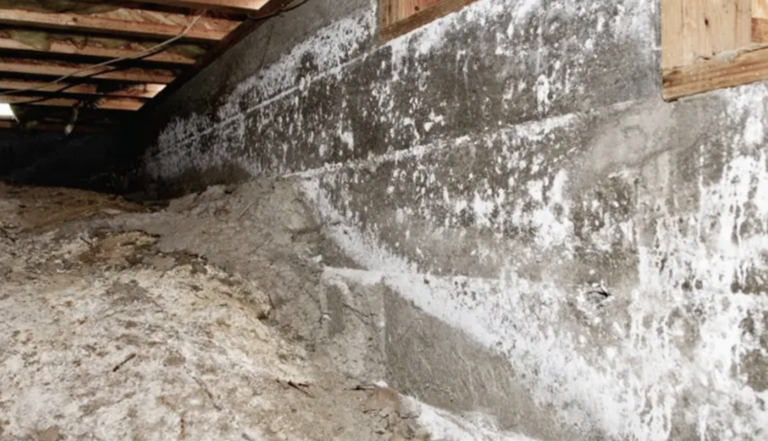
Without professional equipment, concrete and drywall can remain at elevated moisture levels for weeks. Mold becomes a secondary problem within 48 hours in the warm temperatures common in Southern California, even in garages.
Frequently Asked Questions
Should I call a plumber or water damage company after a water heater leak?
Call both on the same call session. The plumber stops the source; the restoration company addresses the damage. Neither can do the other’s job. If you can only make one call right now, and water is still actively flowing, call a plumber first — then immediately call restoration.
My water heater leaked in the garage. Is my house affected?
Possibly yes. Water travels along the lowest path, and any gap at the base of a door connecting the garage to the house — a standard interior door threshold, for example — allows water to enter adjacent rooms. A moisture assessment should check any flooring within 10–15 feet of the unit and the base of any drywall the water may have contacted.
How do I know if my water heater is going to fail before it floods the garage?
Common warning signs include rust-colored hot water, popping or rumbling sounds during heating (scale buildup), the unit being more than 10–12 years old, and any visible corrosion or mineral deposits around the base or fittings. A water heater past its life expectancy is worth replacing proactively — a planned $1,200 replacement is significantly less disruptive than an emergency replacement plus water damage restoration.
Can a slow water heater leak cause mold?
Yes — and this is one of the most underappreciated risks. A pinhole drip that goes unnoticed for weeks creates persistently elevated moisture in the surrounding drywall, insulation, and framing. By the time the water heater is replaced, significant mold growth may already be established in the wall cavity or beneath the concrete slab where it meets the wall. If you discovered a water heater that had been slowly leaking for an unknown period, a professional moisture and mold assessment is warranted.
My apartment’s water heater leaked. Who is responsible — me or the landlord?
In California, landlords are responsible for maintaining building systems, including water heaters, in habitable condition. If the water heater was failing due to age or maintenance neglect, liability for the resulting water damage typically falls to the landlord. Document everything and report the incident in writing immediately. Our guide on California water damage and landlord responsibility covers the relevant law in more detail.
Jackson Restoration Responds to Water Heater Leaks 24/7 in Long Beach
A leaking water heater is a two-problem situation: the appliance and the building. Jackson Restoration handles the building side — water extraction, structural drying, moisture mapping, and insurance documentation — while your plumber handles the unit. We serve Long Beach, Lakewood, Bellflower, Torrance, Carson, Signal Hill, and surrounding communities in LA County. Contact us now for a same-day emergency response to your water damage.